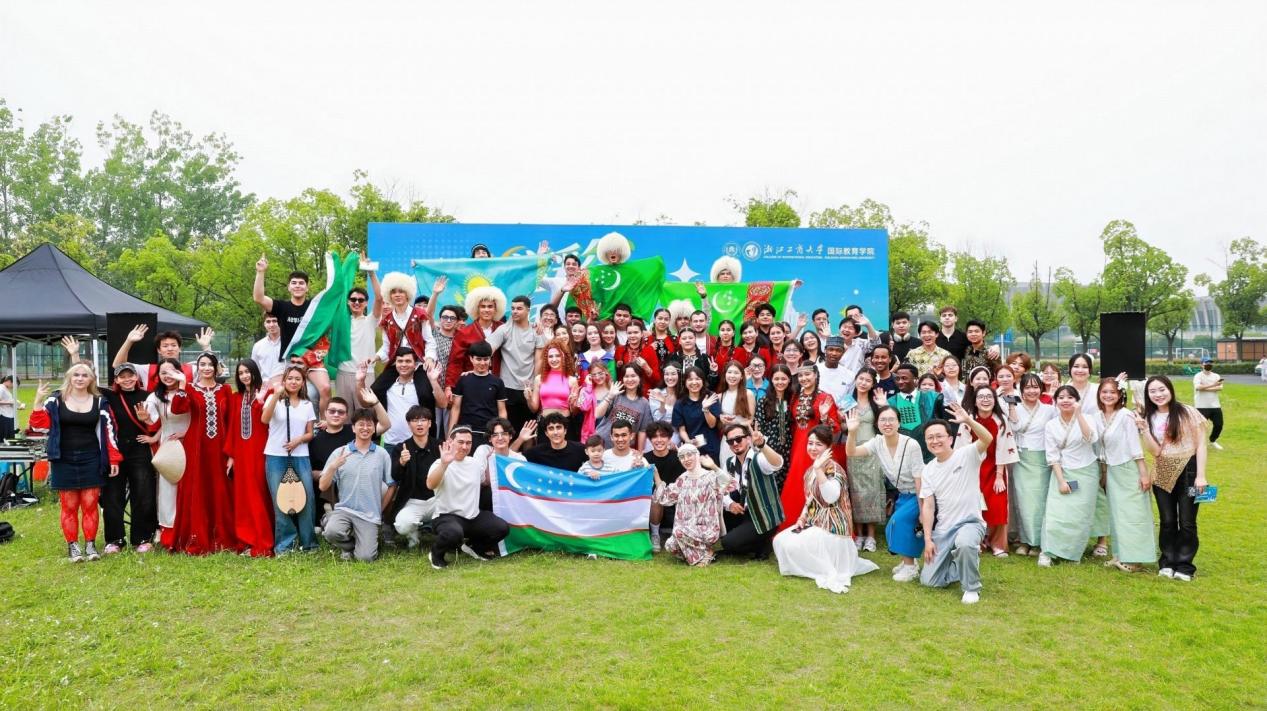
On May 22, the 2026 International Culture Festival—branded “Colors of Culture, Reunited in Zhejiang”—kicked off on the Flower Field Lawn. Hosted by the School of International Education at Zhejiang Gongshang University (ZJSU), the event brought together faculty, students, and community residents from more than 50 countries and regions. Bound by culture and connected through exchange, they staged a vibrant celebration of diversity, painting a vivid portrait of civilizations learning from one another and young people growing together.
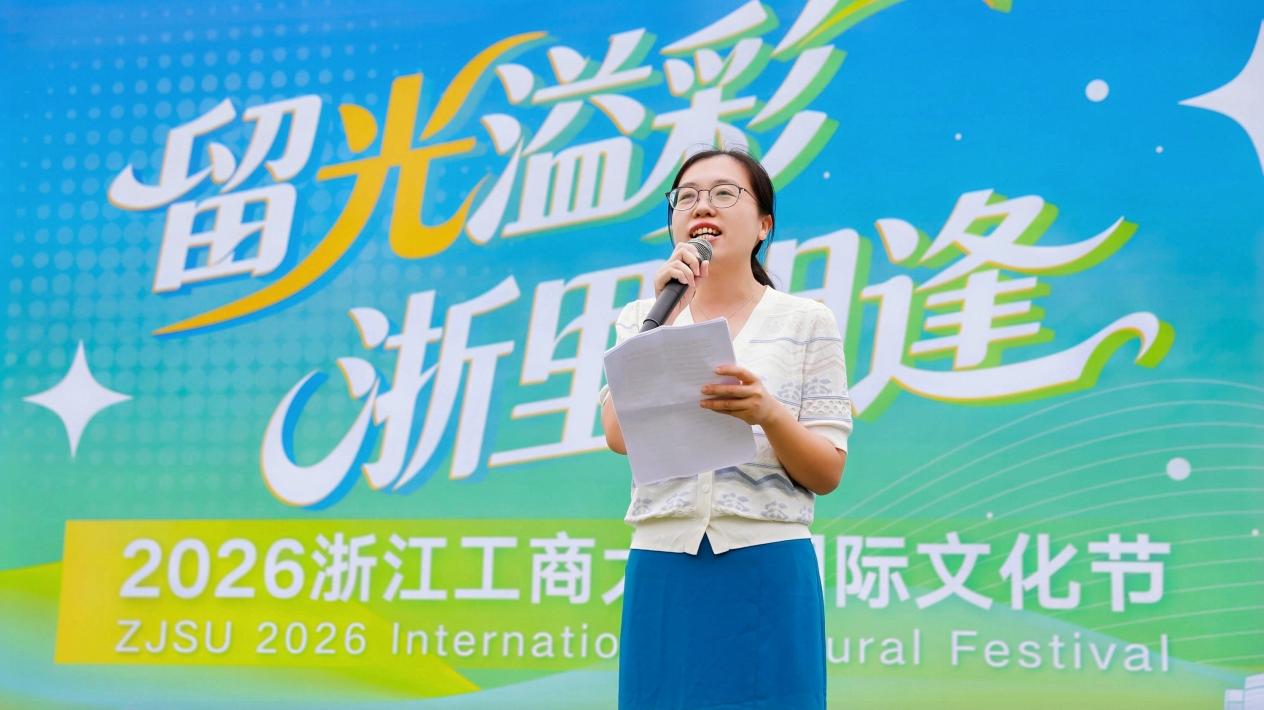
The festival opened with remarks from Xu Zhenghan, Vice Dean of the School of International Education. She noted that the International Culture Festival has long been a signature showcase for cross-cultural exchange at ZJSU and a premier platform where traditions from around the world converge. This year’s theme, “Colors of Culture, Reunited in Zhejiang,” is designed to foster an inclusive and equitable space in which civilizations can understand and embrace one another, and where students from every corner of the globe can forge genuine friendships and build shared understanding. She encouraged both Chinese and international students to broaden their horizons, cultivate an open mind, and channel youthful energy through cultural encounter.
Enhanced University-Community Partnership: An Immersive Encounter with Global Cultures and Intangible Heritage
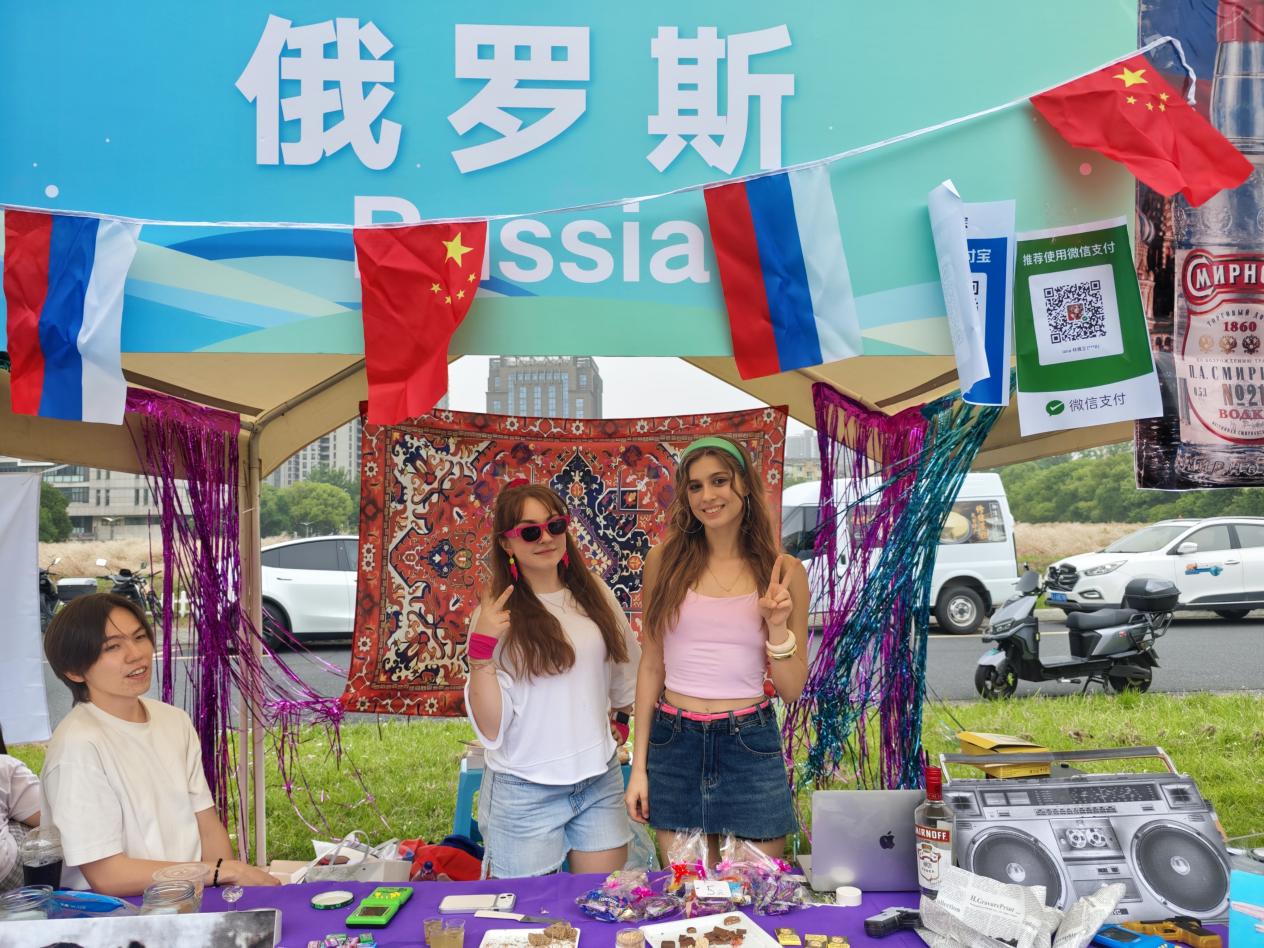
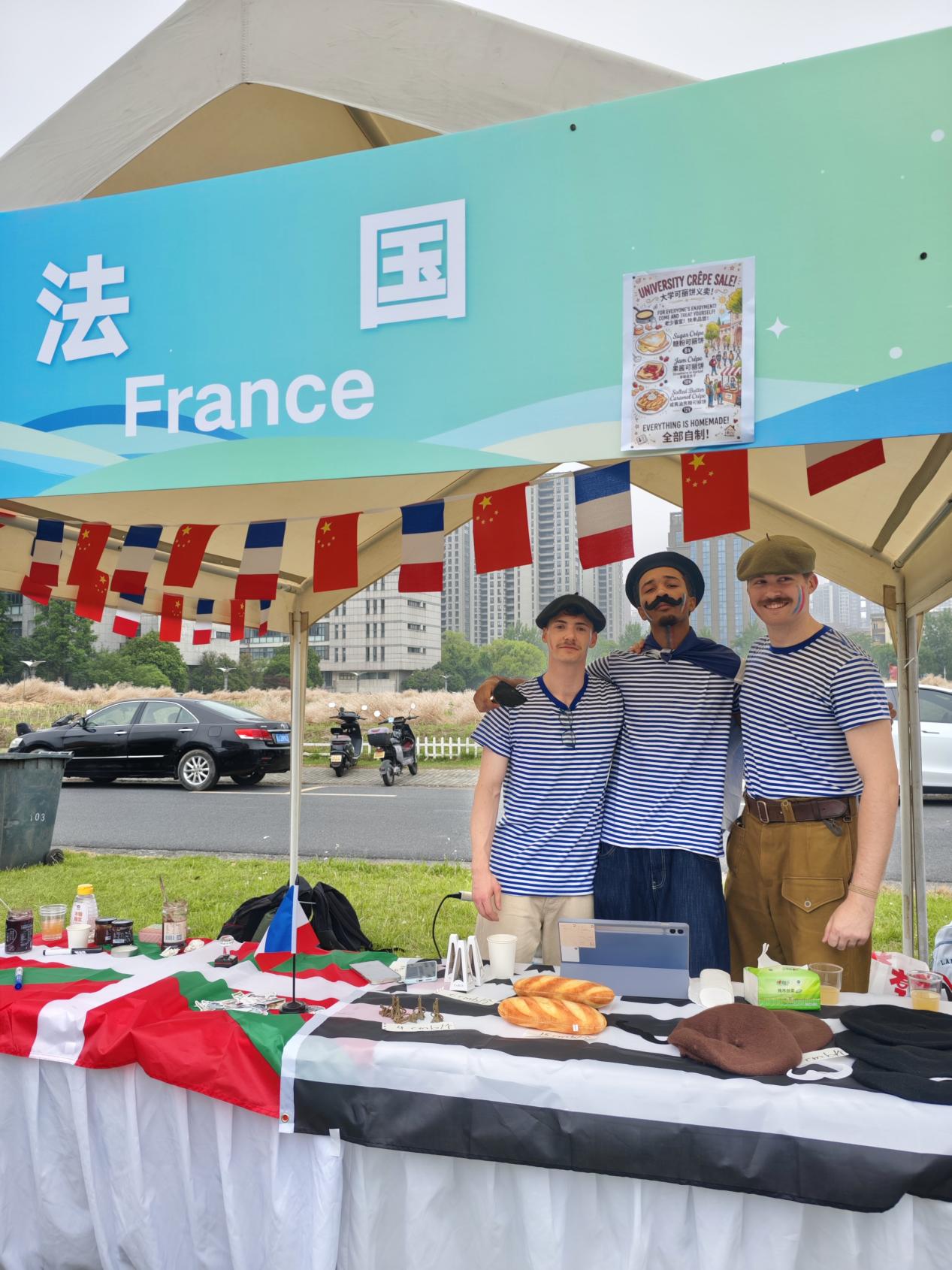
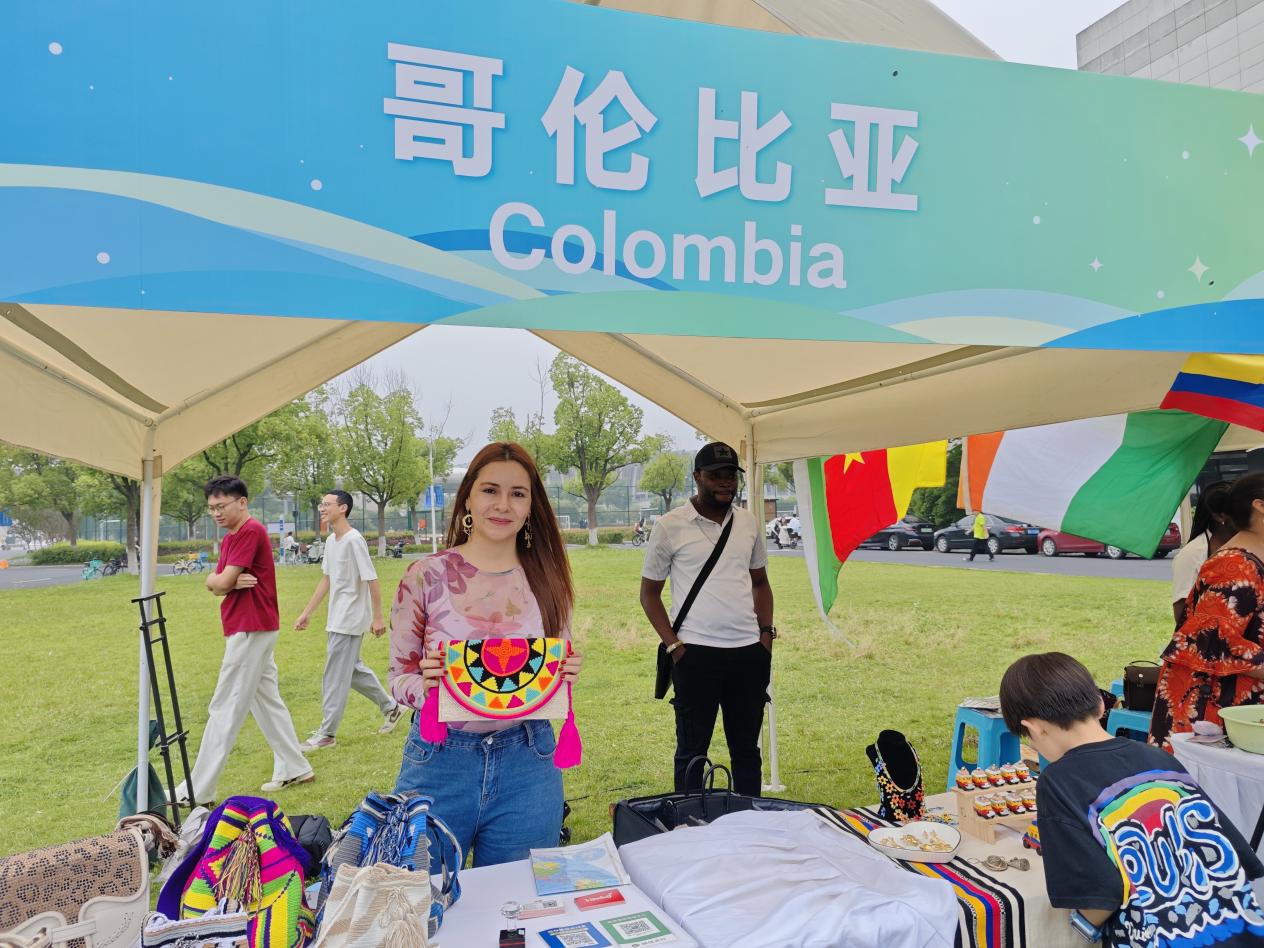
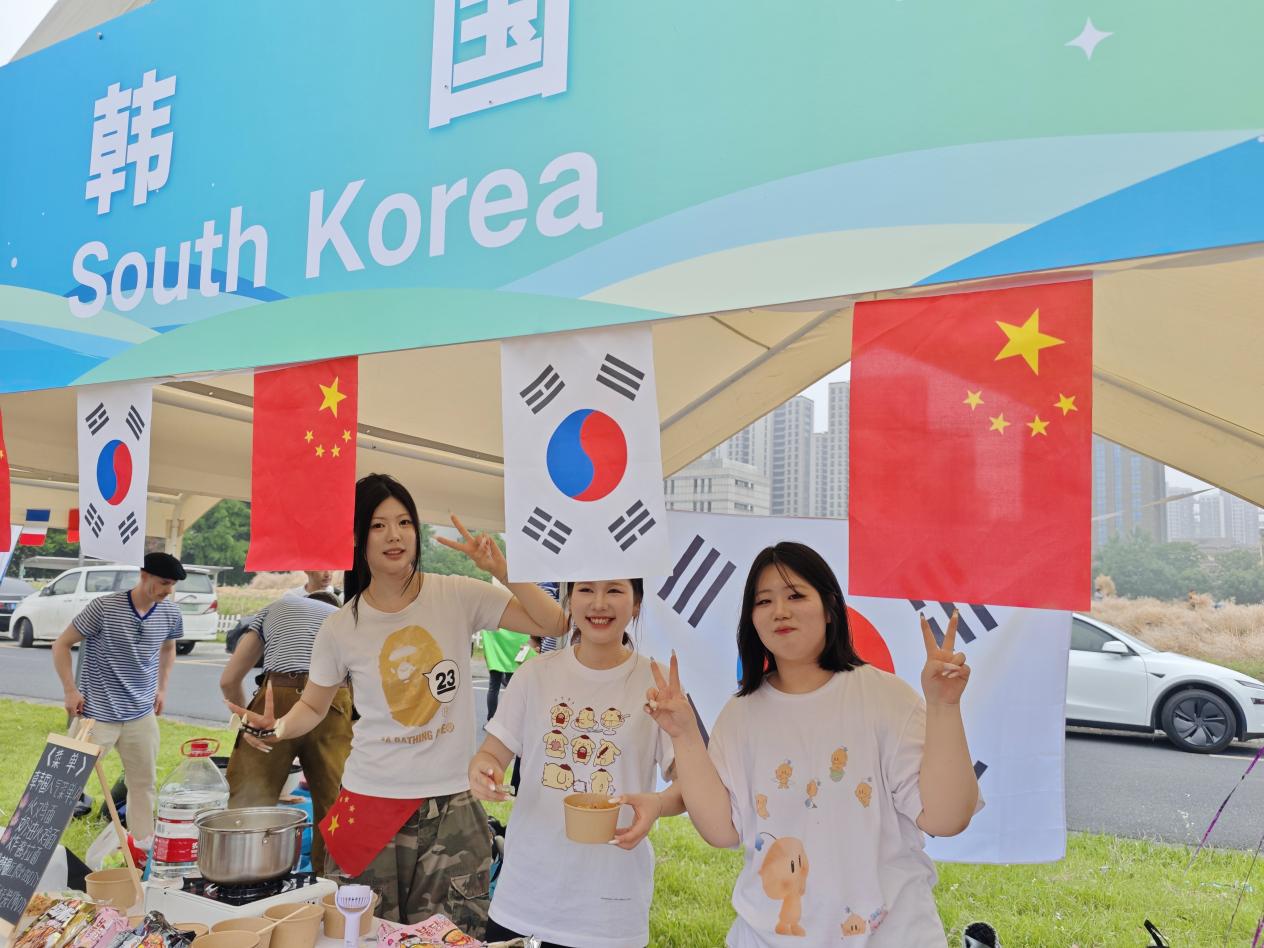
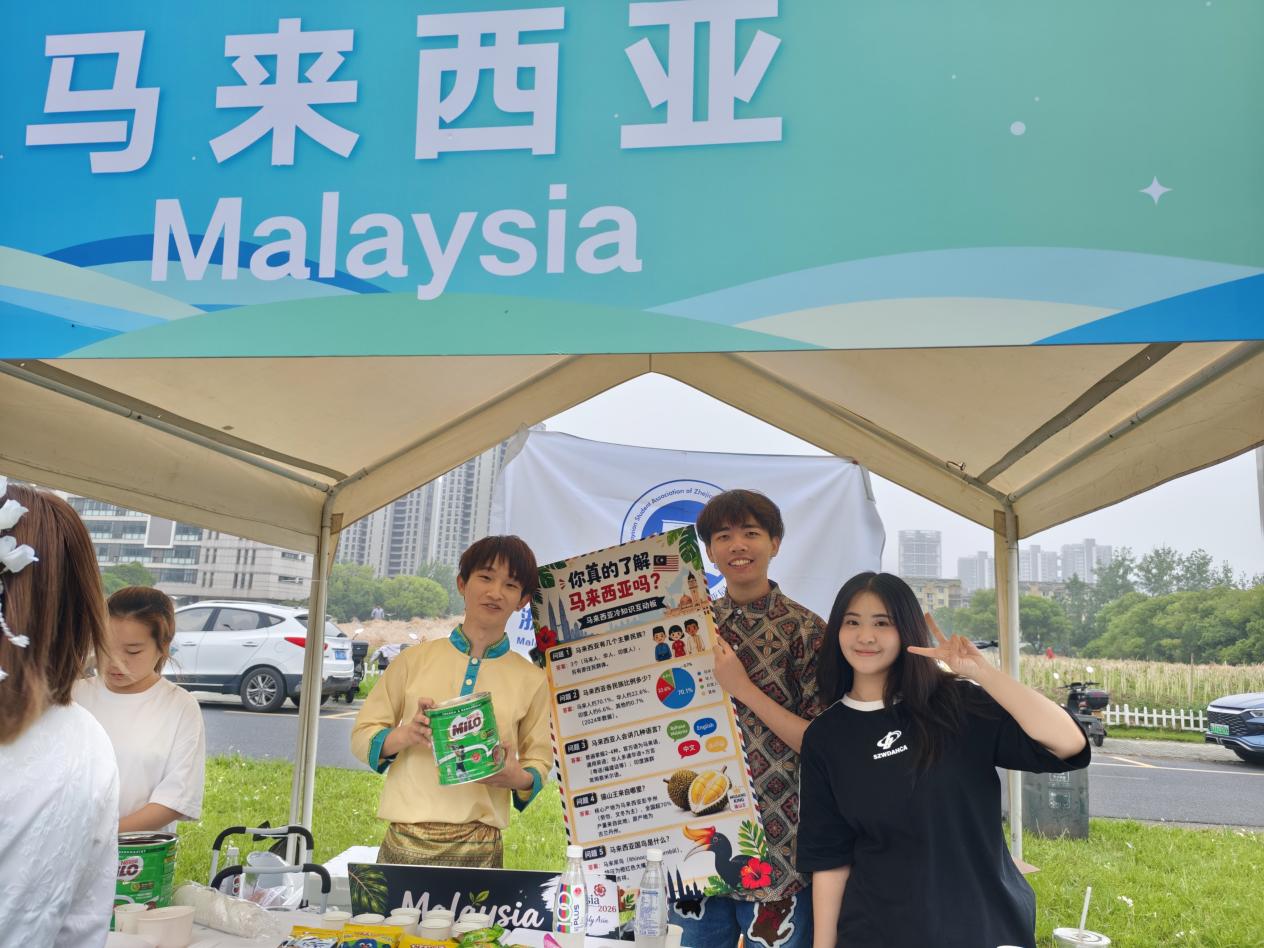
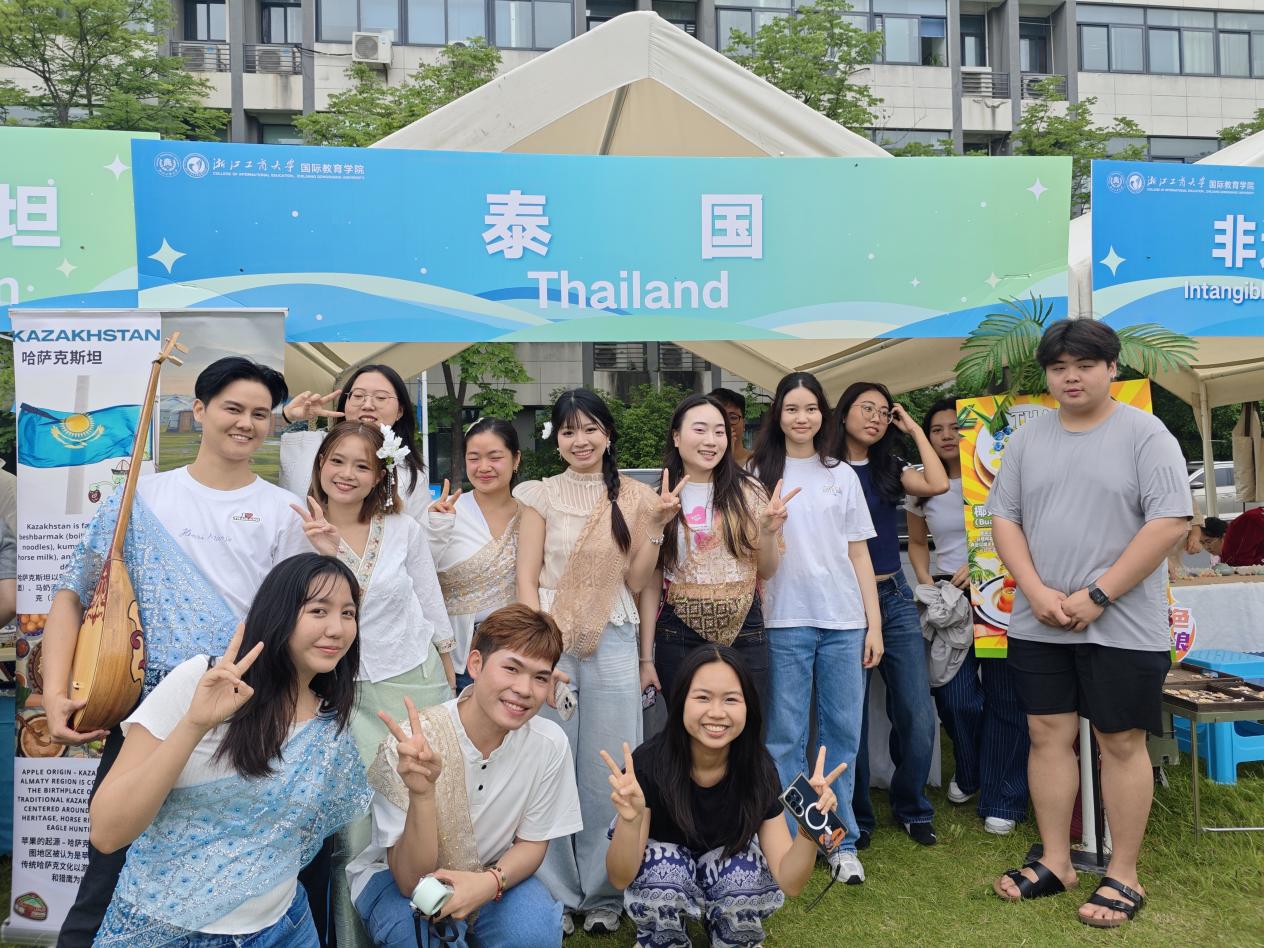
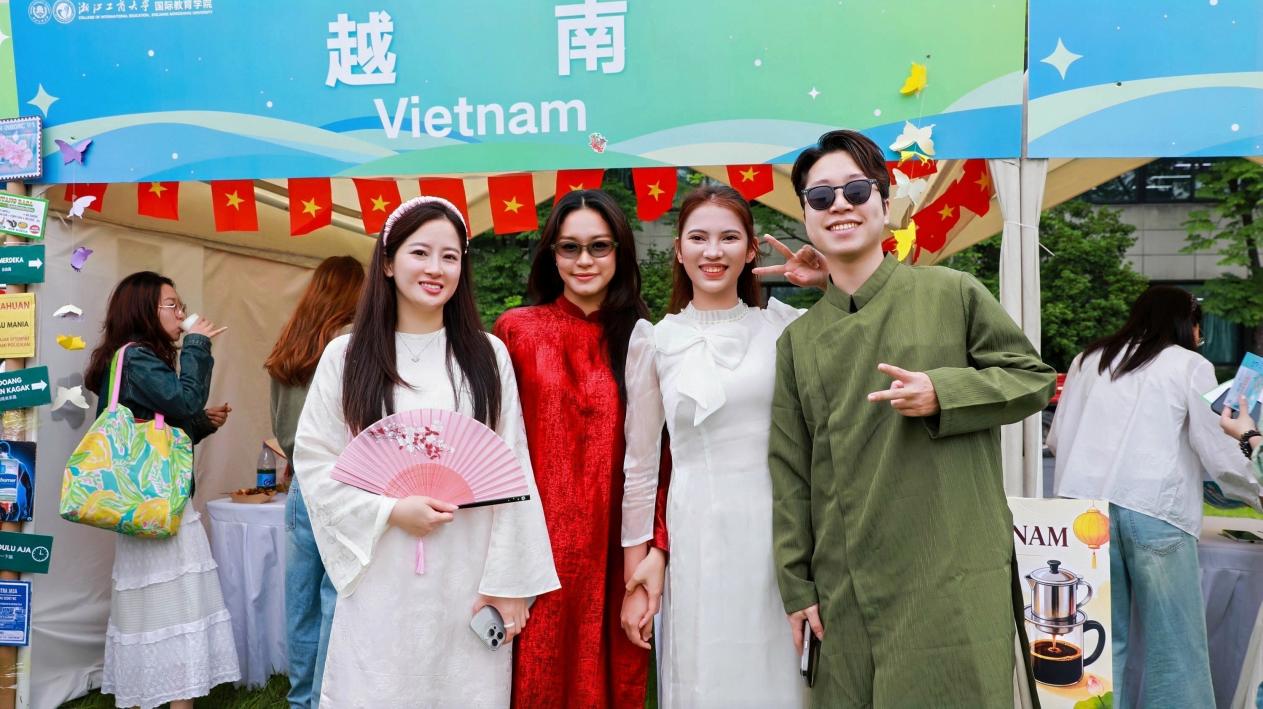
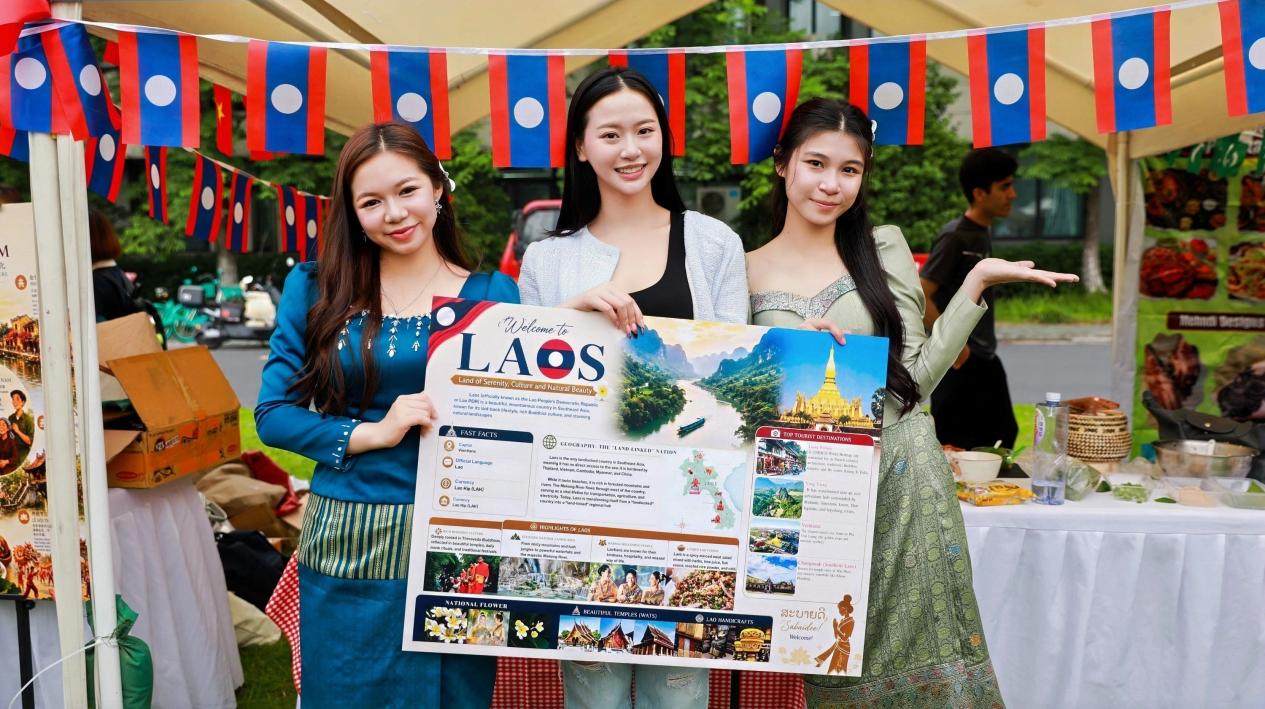
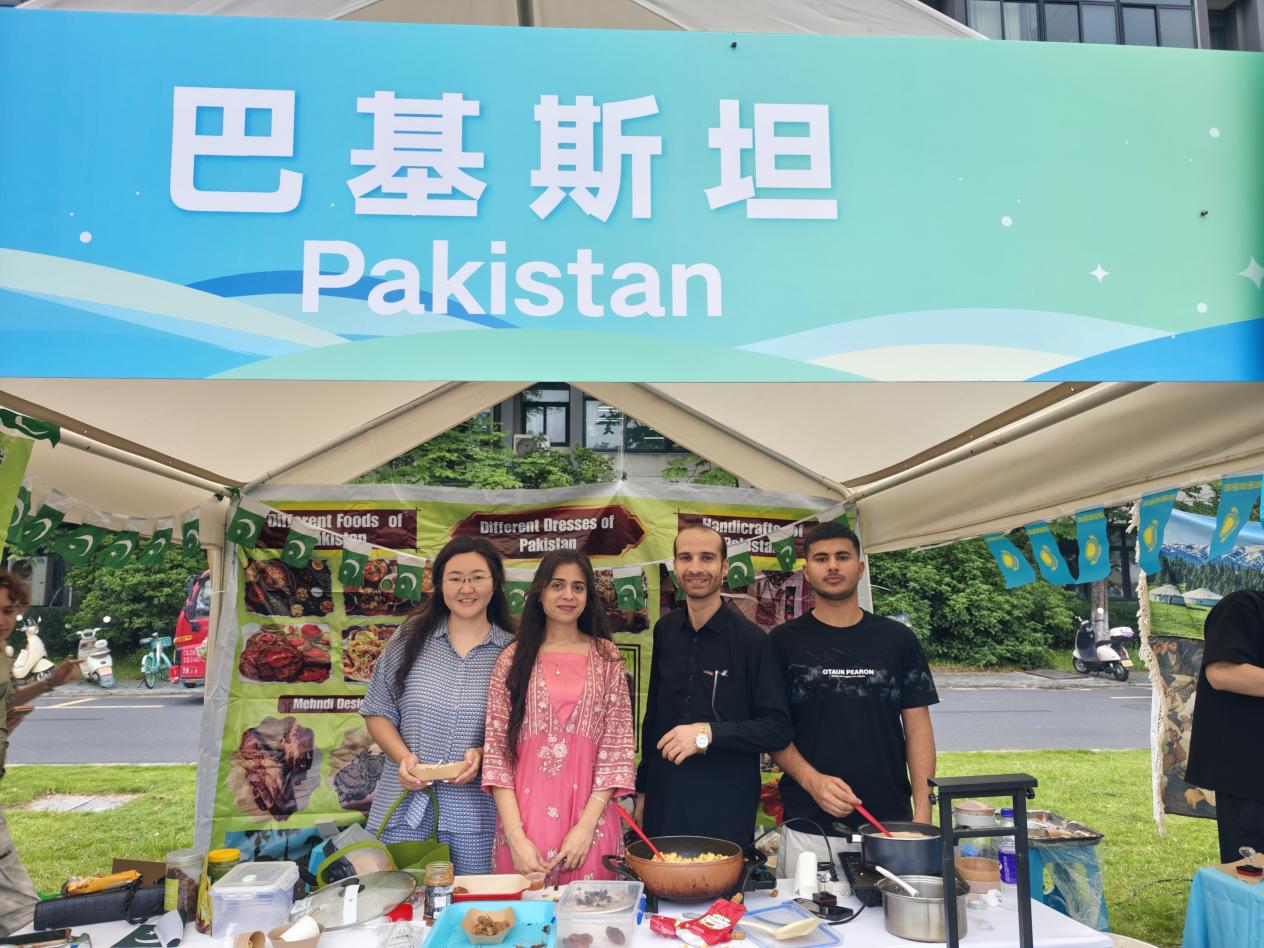
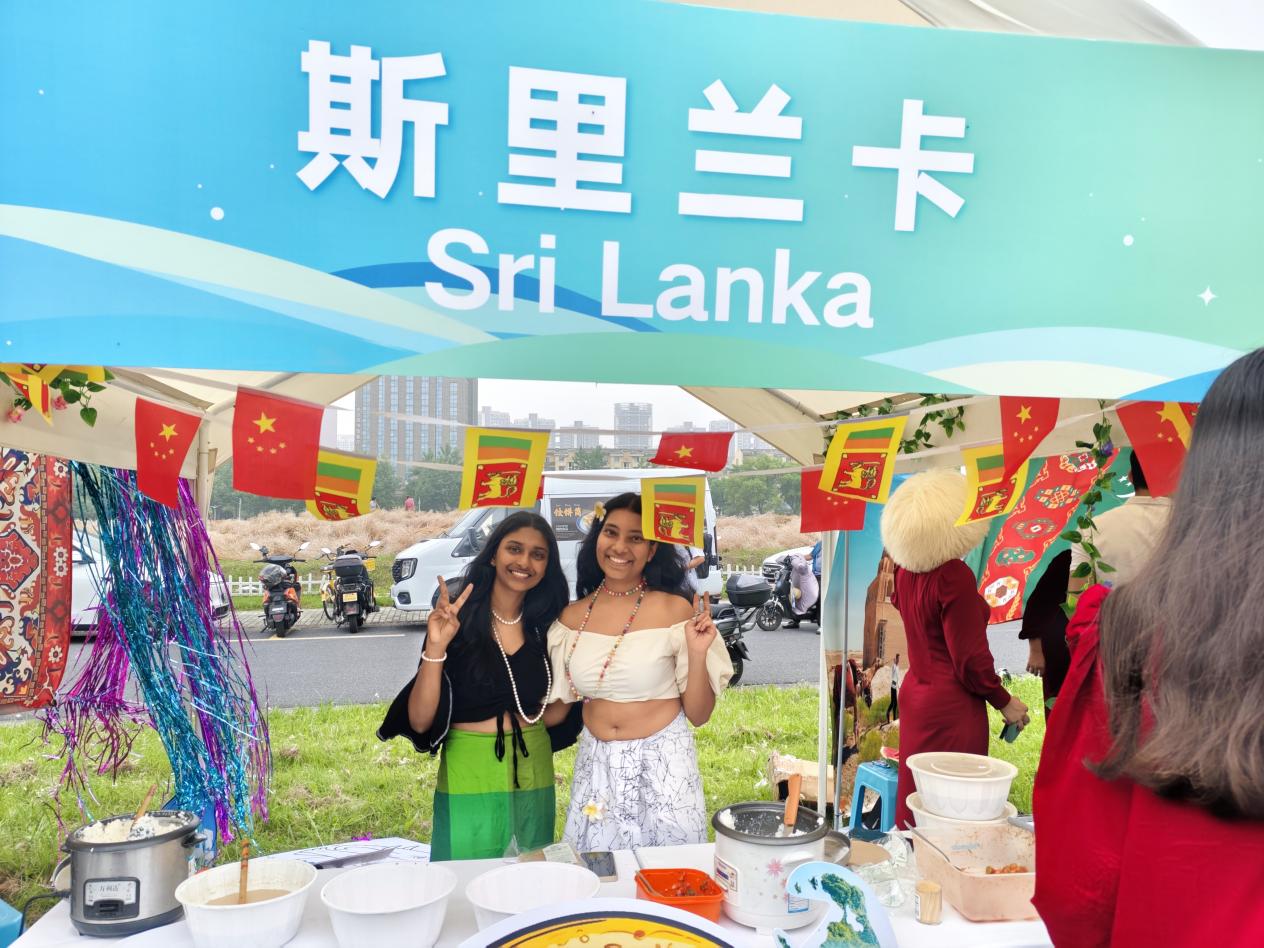
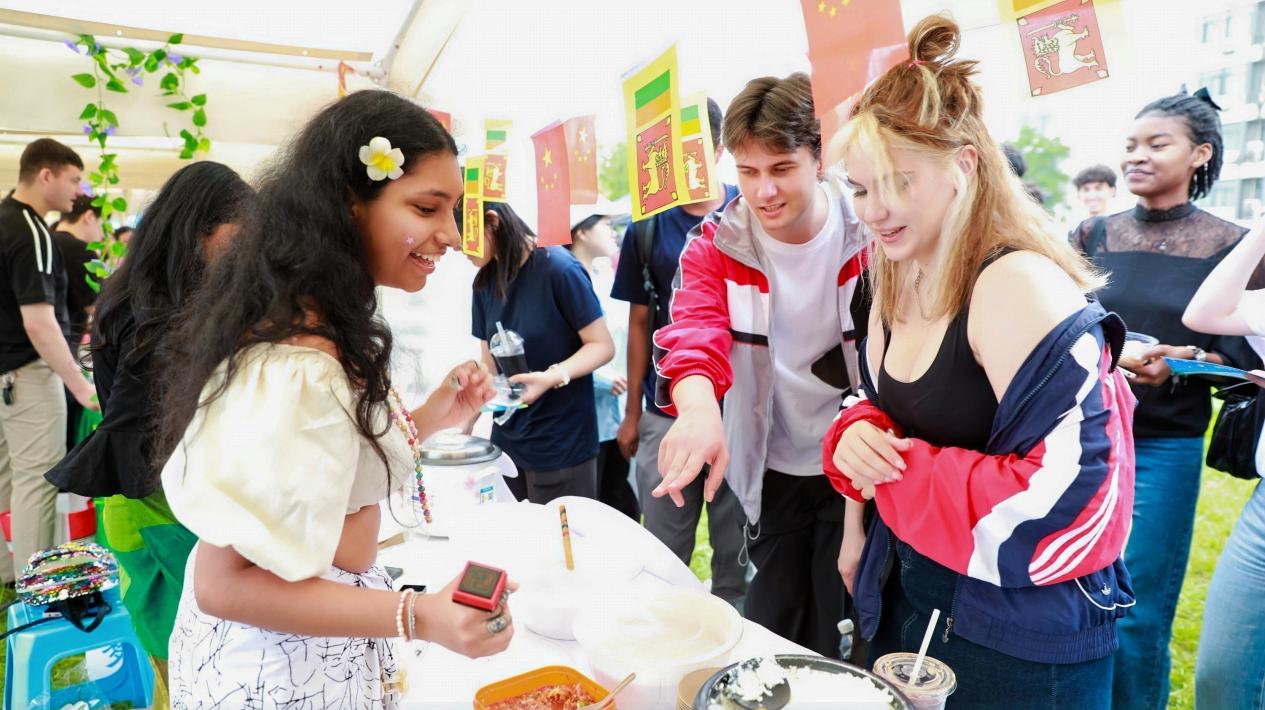
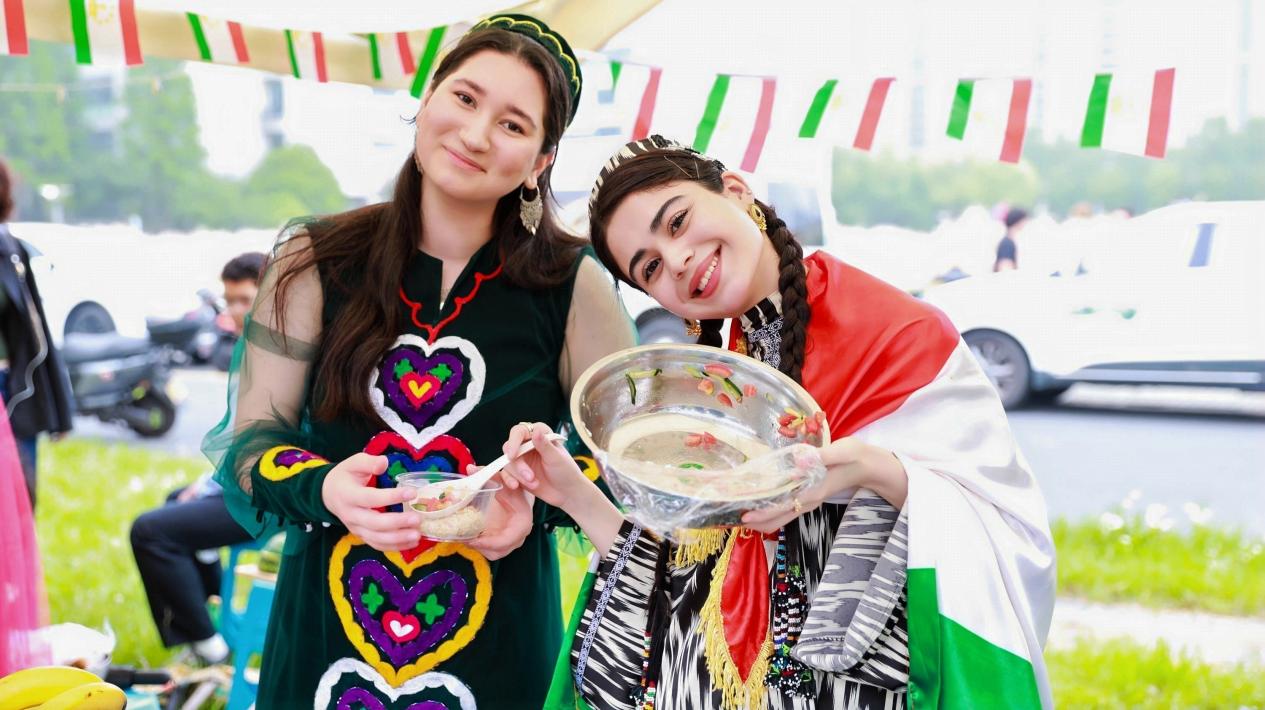
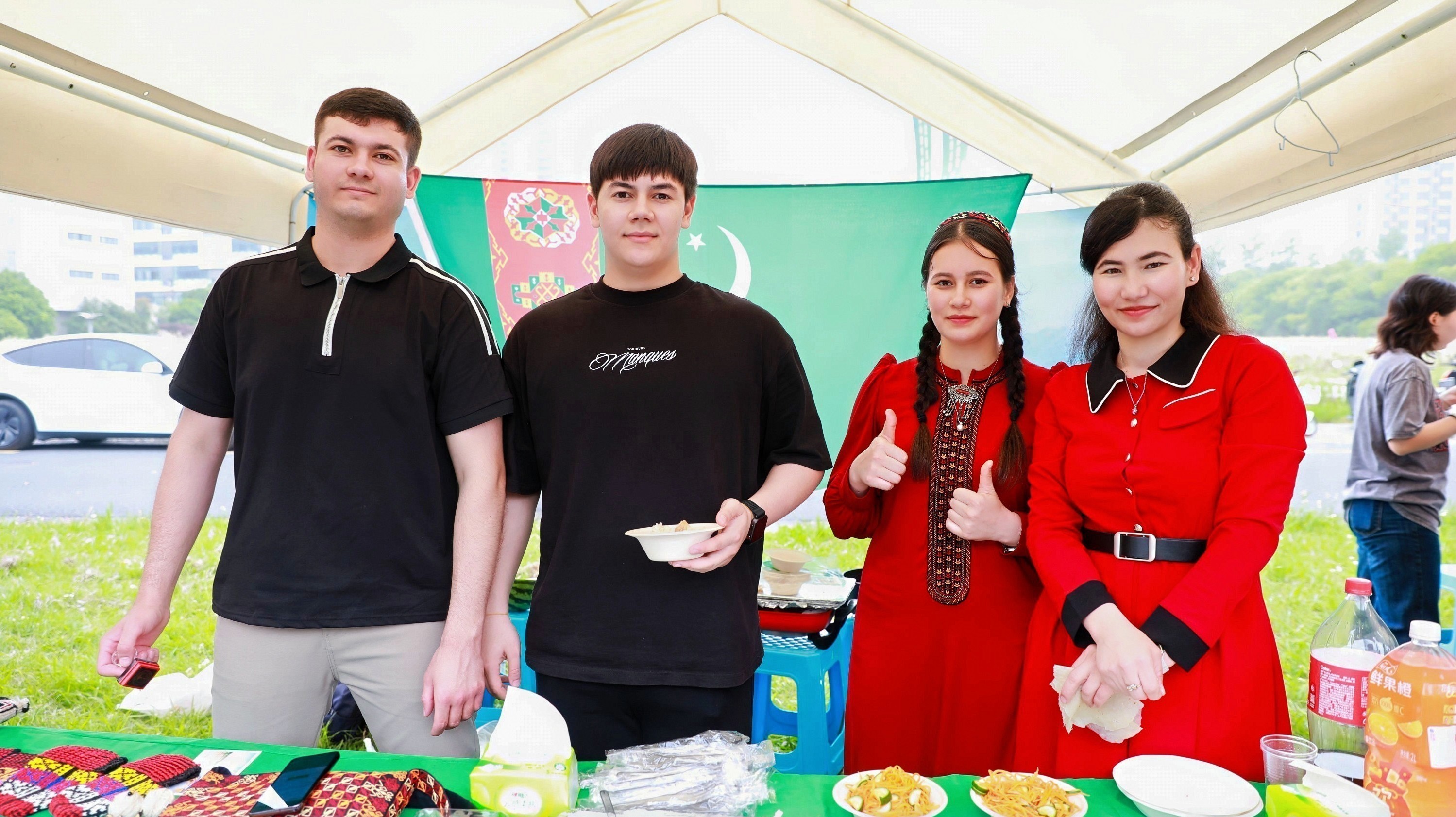
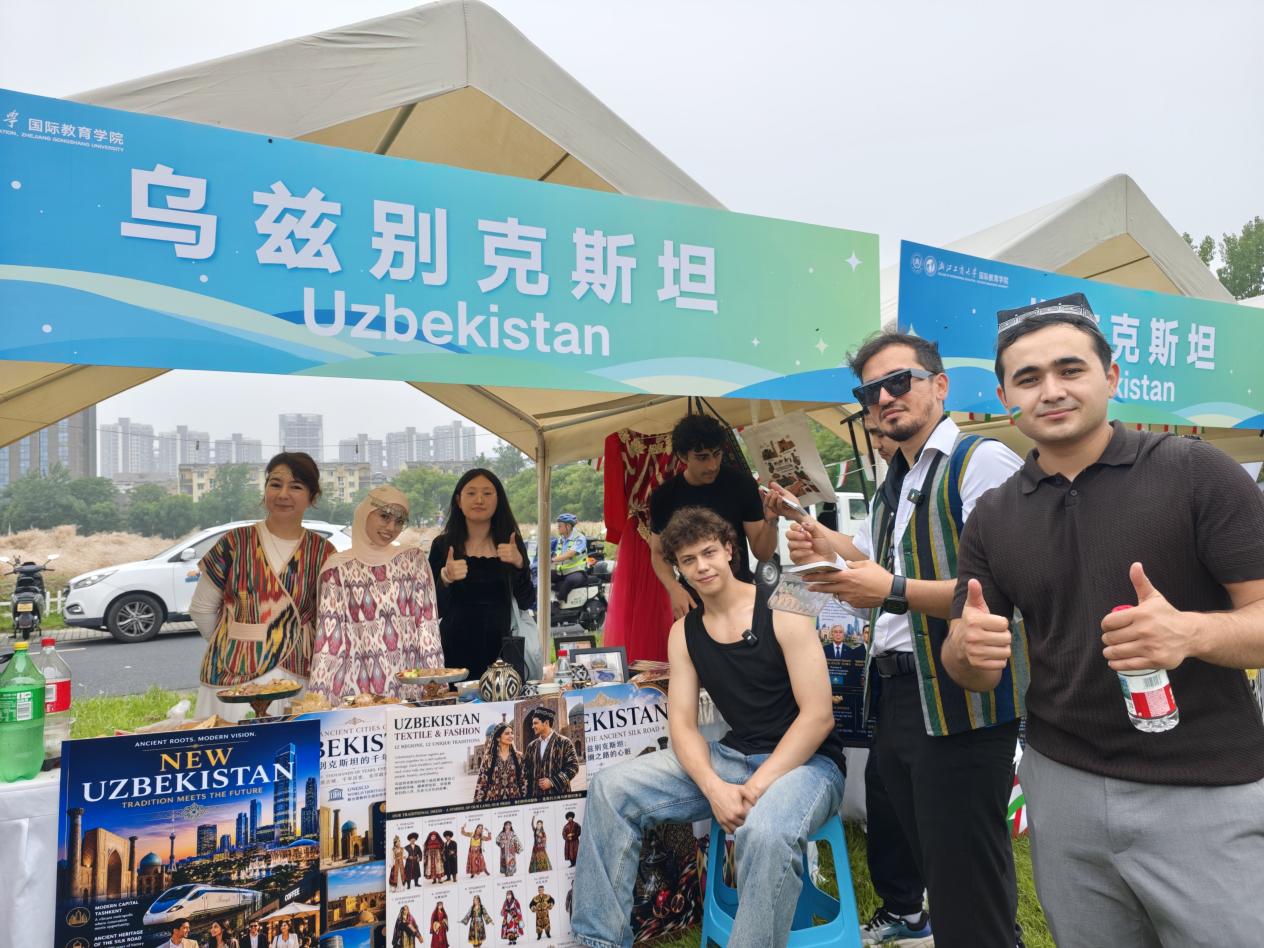
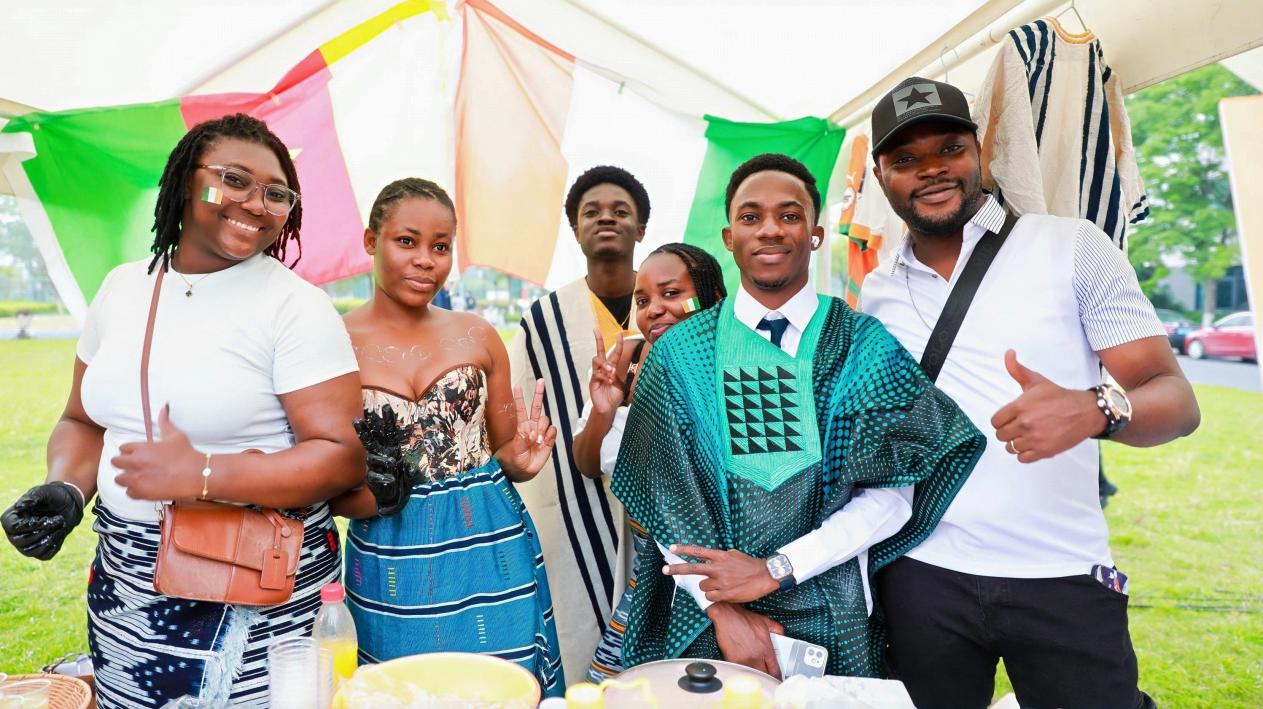
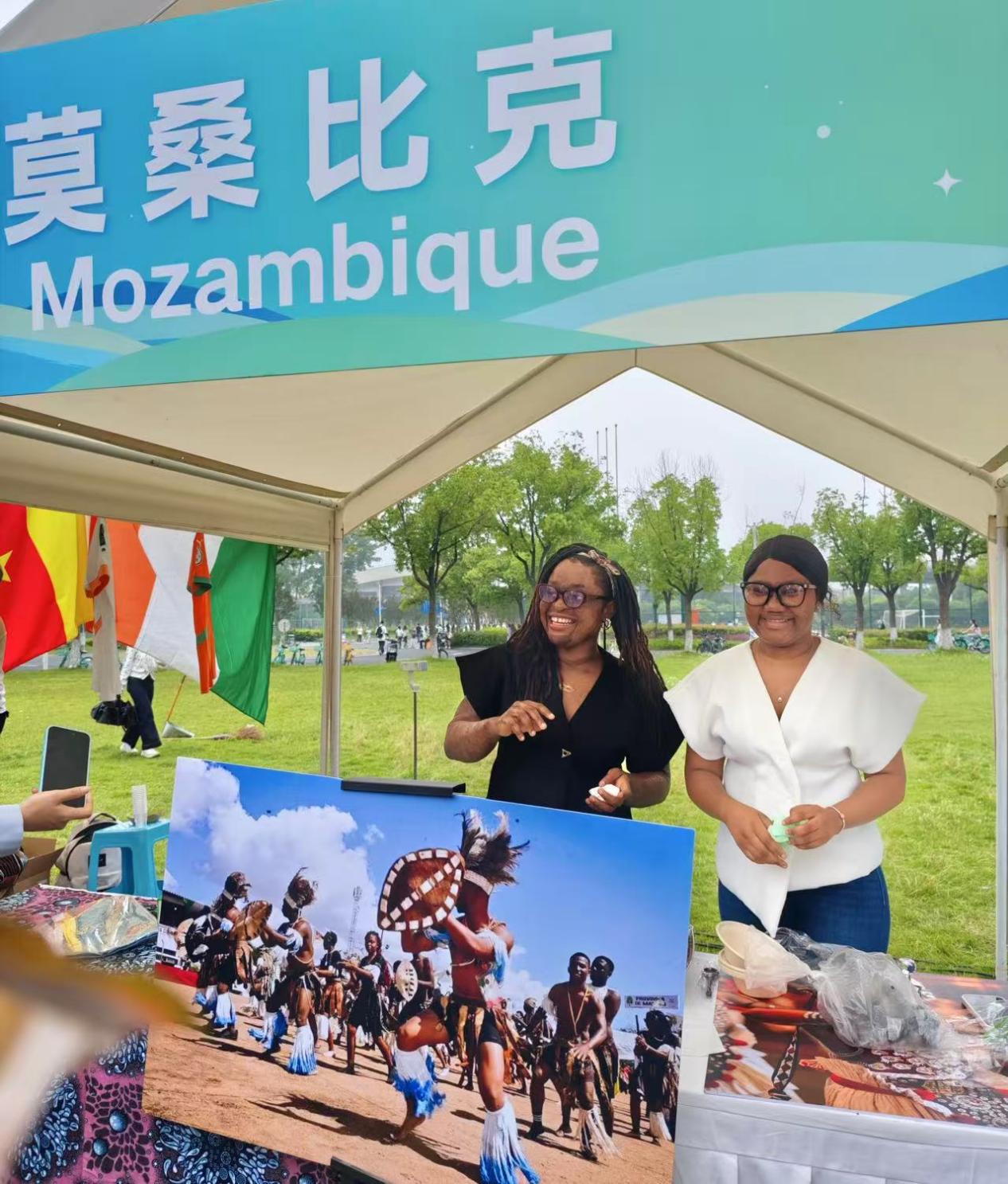
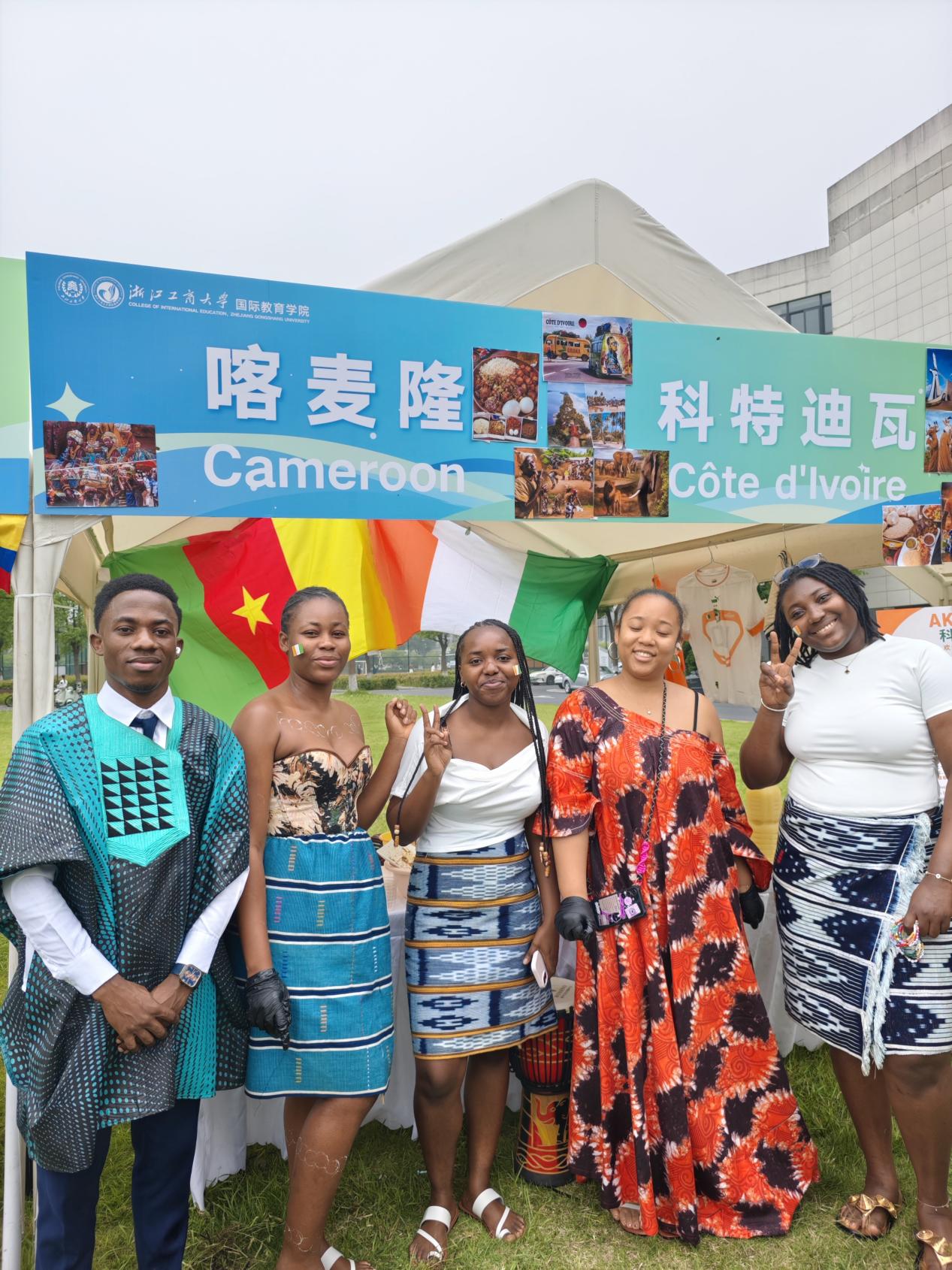
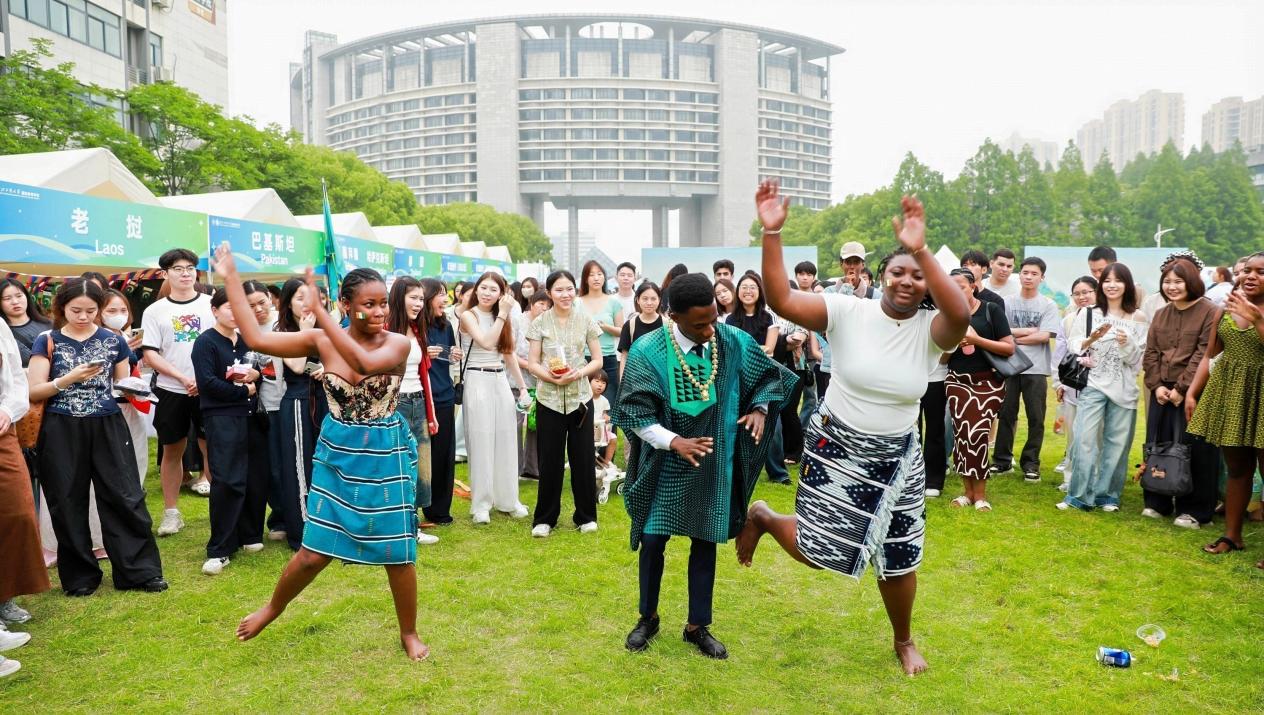
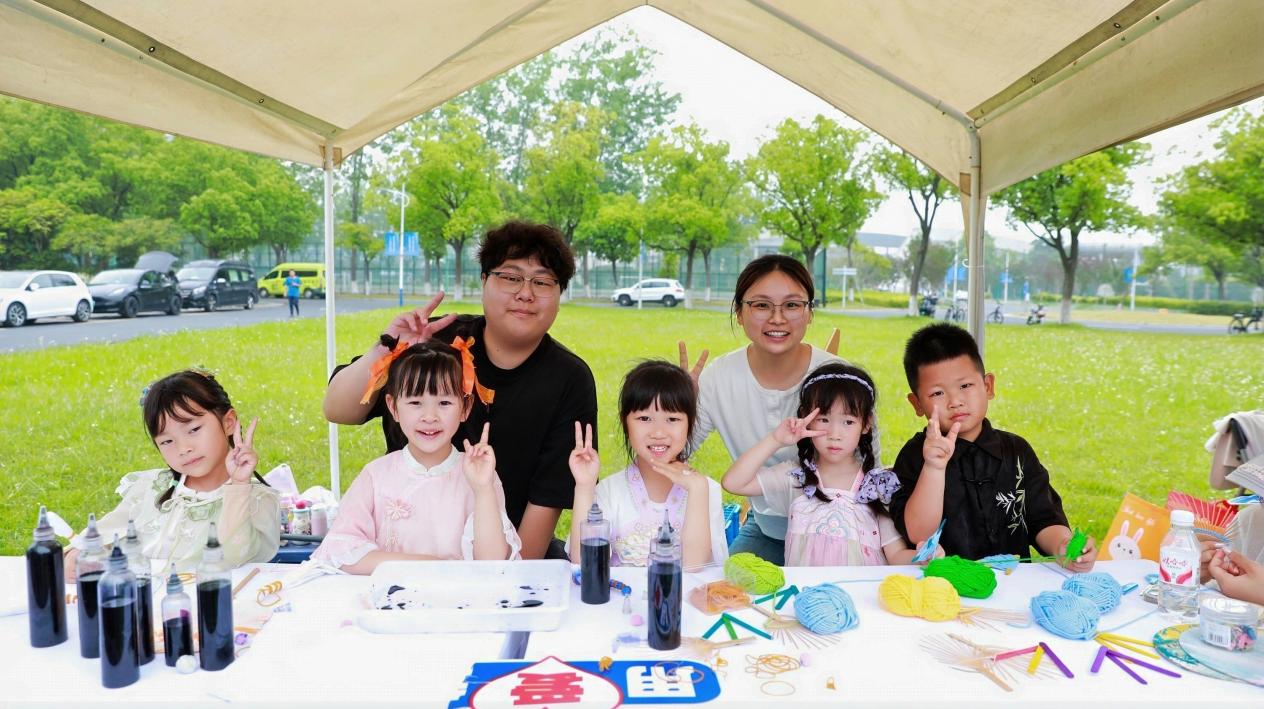
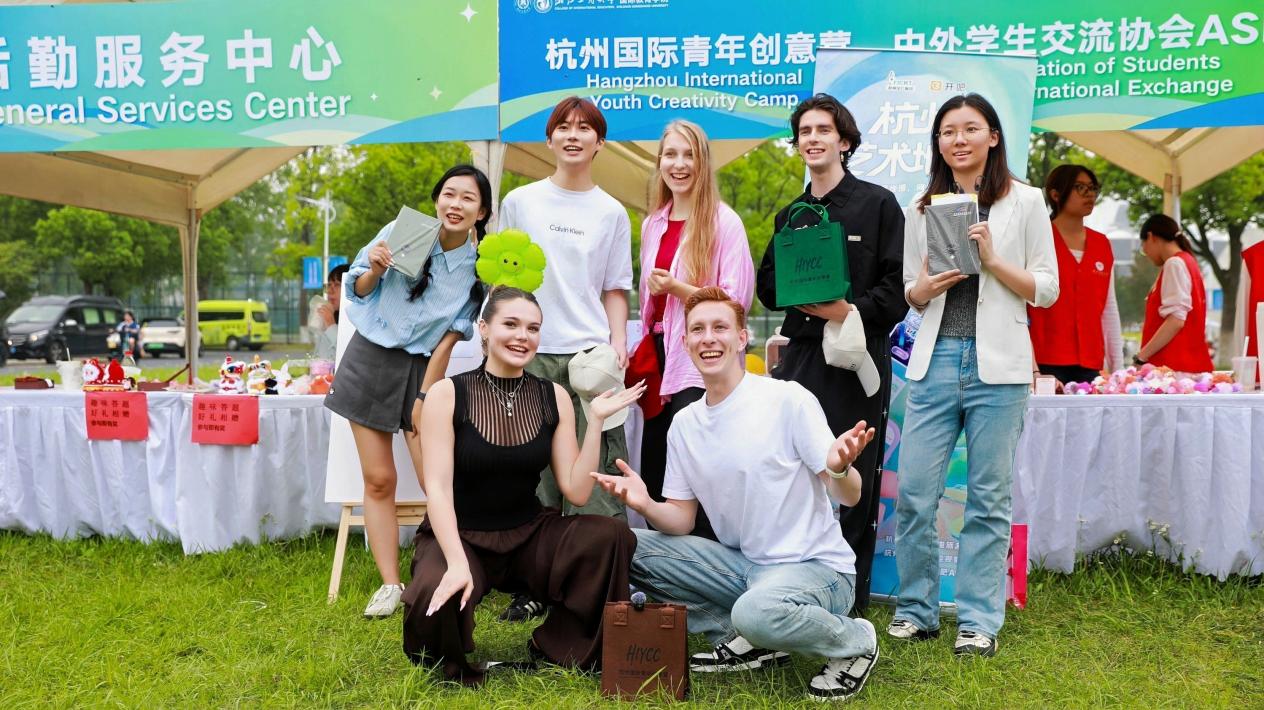
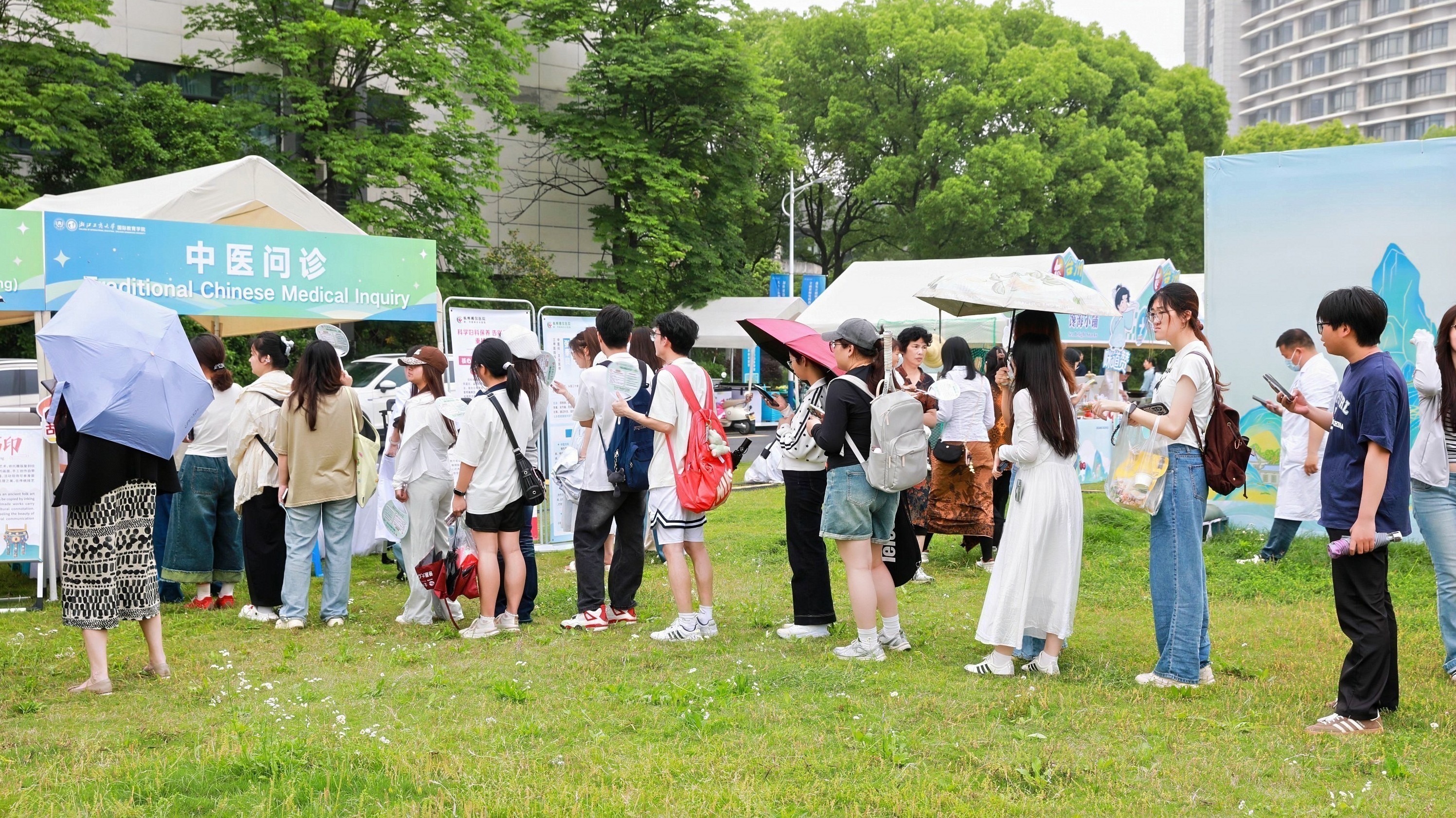
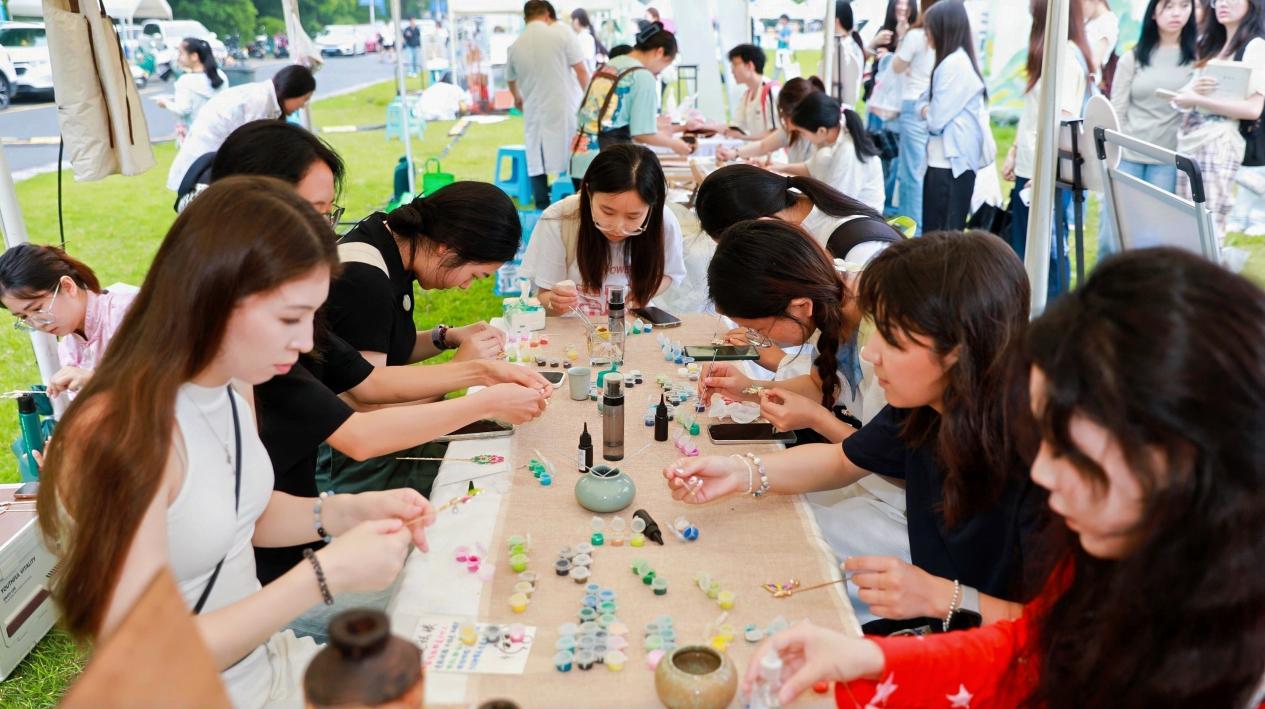
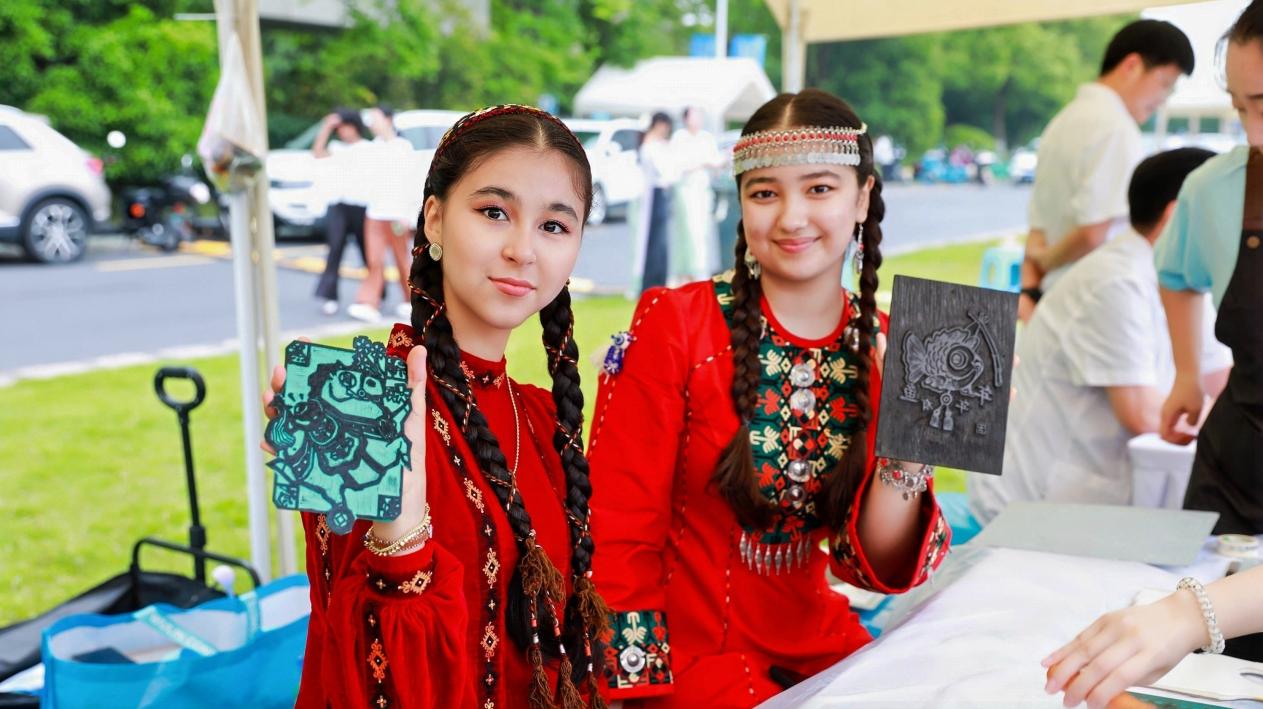
Strolling onto the bustling Flower Field Lawn, visitors encountered a row of cultural tents lined up like so many windows onto the world. International students from 22 countries across Europe, the Americas, Asia, and Africa set up distinctive booths displaying handicrafts, traditional garments, and regional delicacies, introducing their home cultures through lively, interactive demonstrations. This year’s fair also drew on an expanded network of university-community partners. The booth hosted by Yunshuiyuan Kindergarten, affiliated with ZJSU, brimmed with childlike charm, as the children’s artwork expressed the vitality of cultural fusion.
The Hangzhou International Youth Creative Camp—under the auspices of Hangzhou Voice, operated by the Hangzhou Cultural, Radio and Television Group—offered a fresh perspective on international youth life and cultural exchange in Hangzhou, inviting Chinese and overseas students to explore new possibilities for cultural innovation. Meanwhile, Yunbin Community, a partner in ZJSU’s national-conditions education practice base, brought three special booths of its own. A traditional Chinese medicine consultation station let Chinese and international students experience firsthand the diagnostic wisdom of inspection, auscultation and olfaction, inquiry, and pulse-taking. At the intangible cultural heritage crafts booth, woodblock print rubbing and enamel dot-blue techniques complemented one another, drawing crowds of students who lingered to try their hand. Under expert guidance, everyone rolled up their sleeves and worked the materials, feeling the warmth and craftsmanship of China’s finest traditional culture through their fingertips.
Diverse Stage Performances: Chinese and International Art Set the Stage Alight
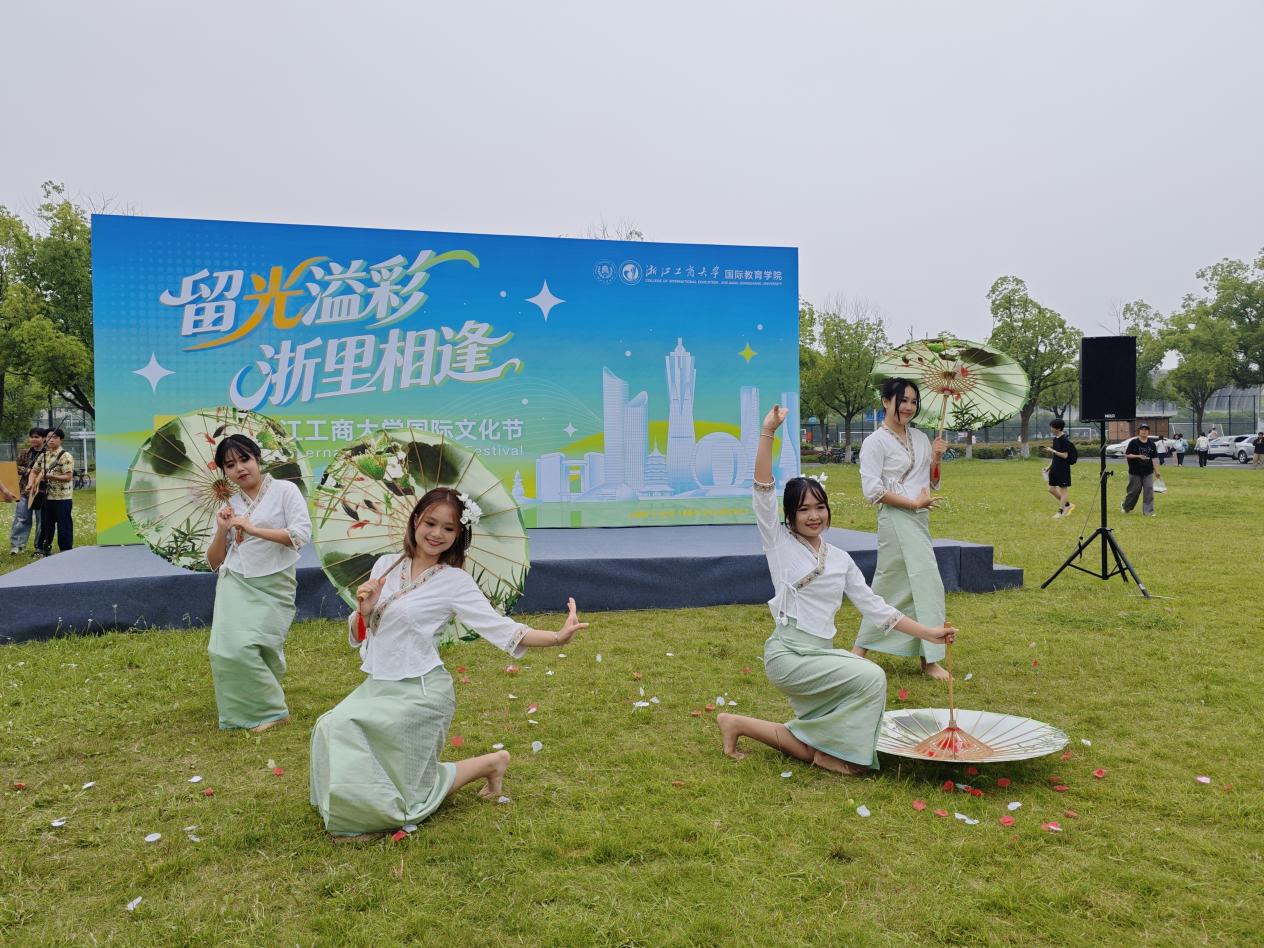
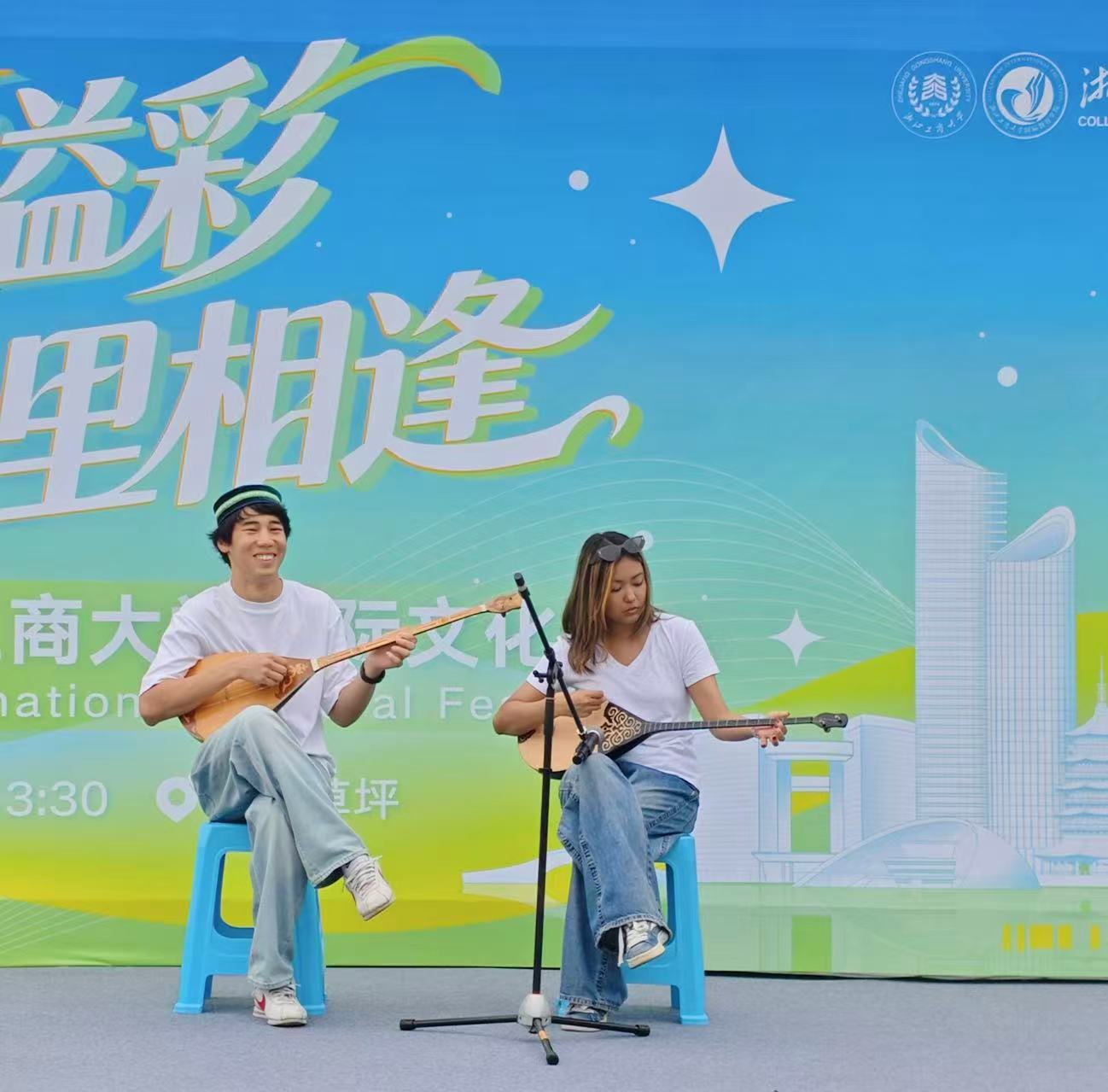
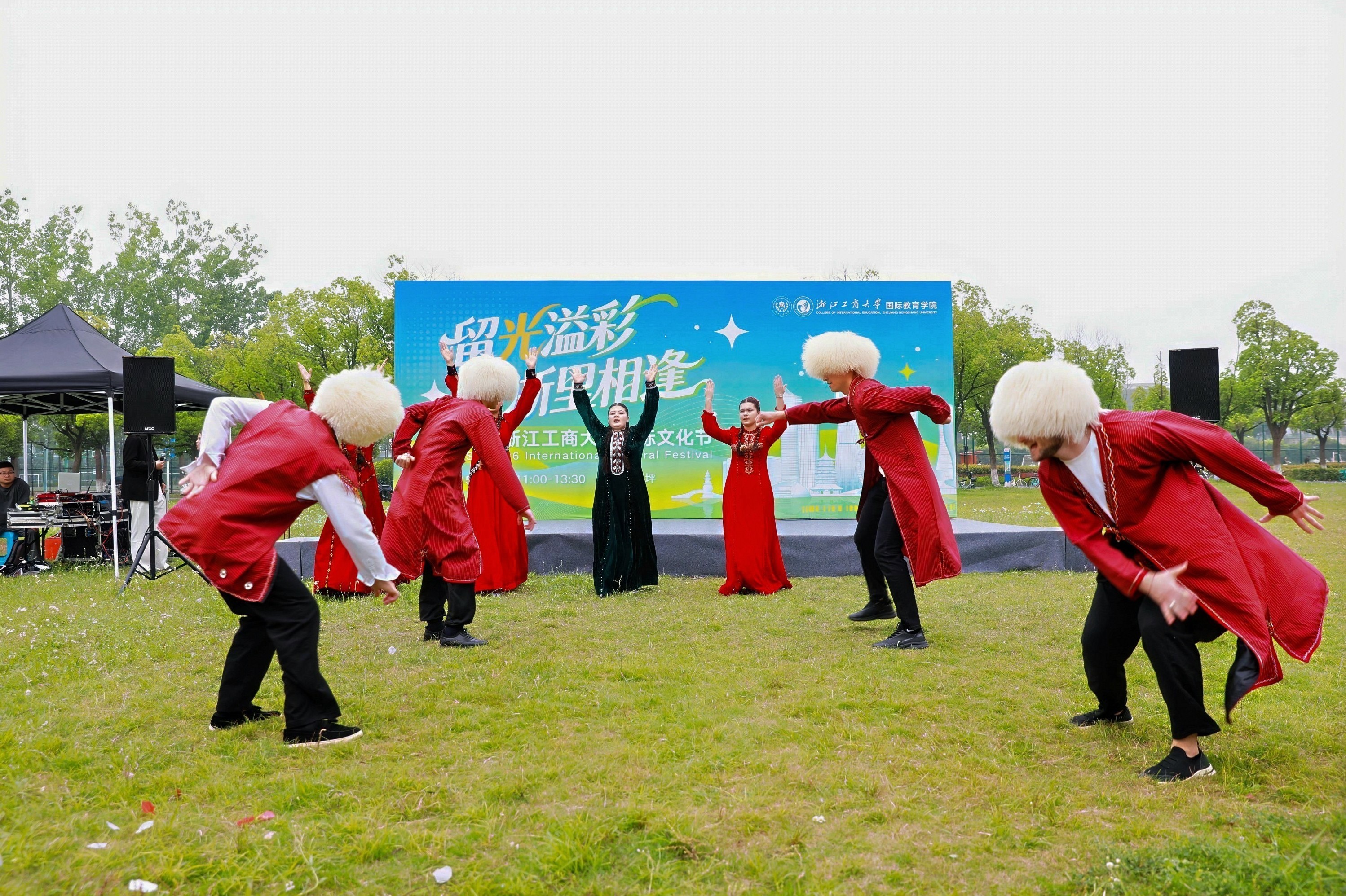
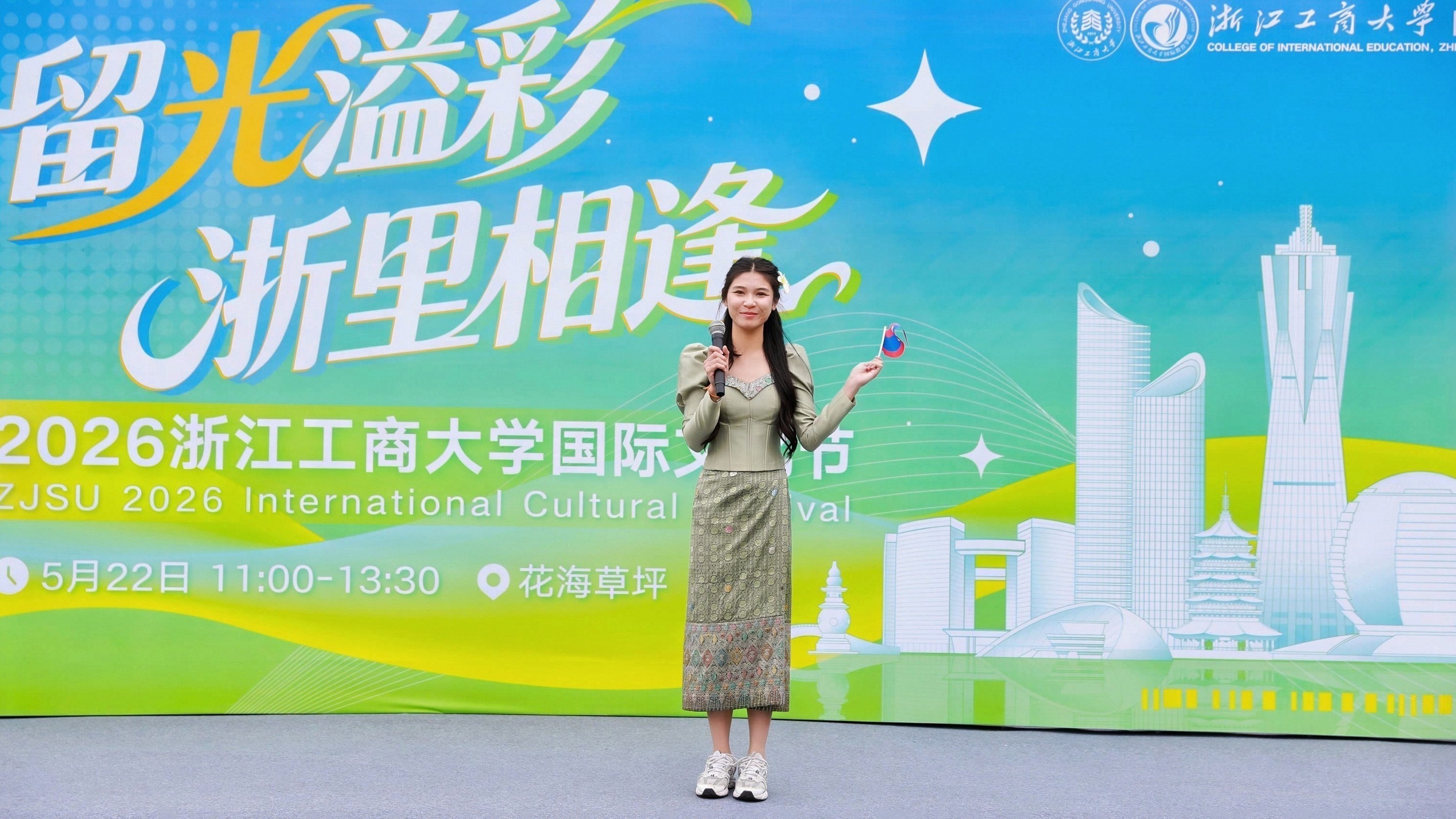
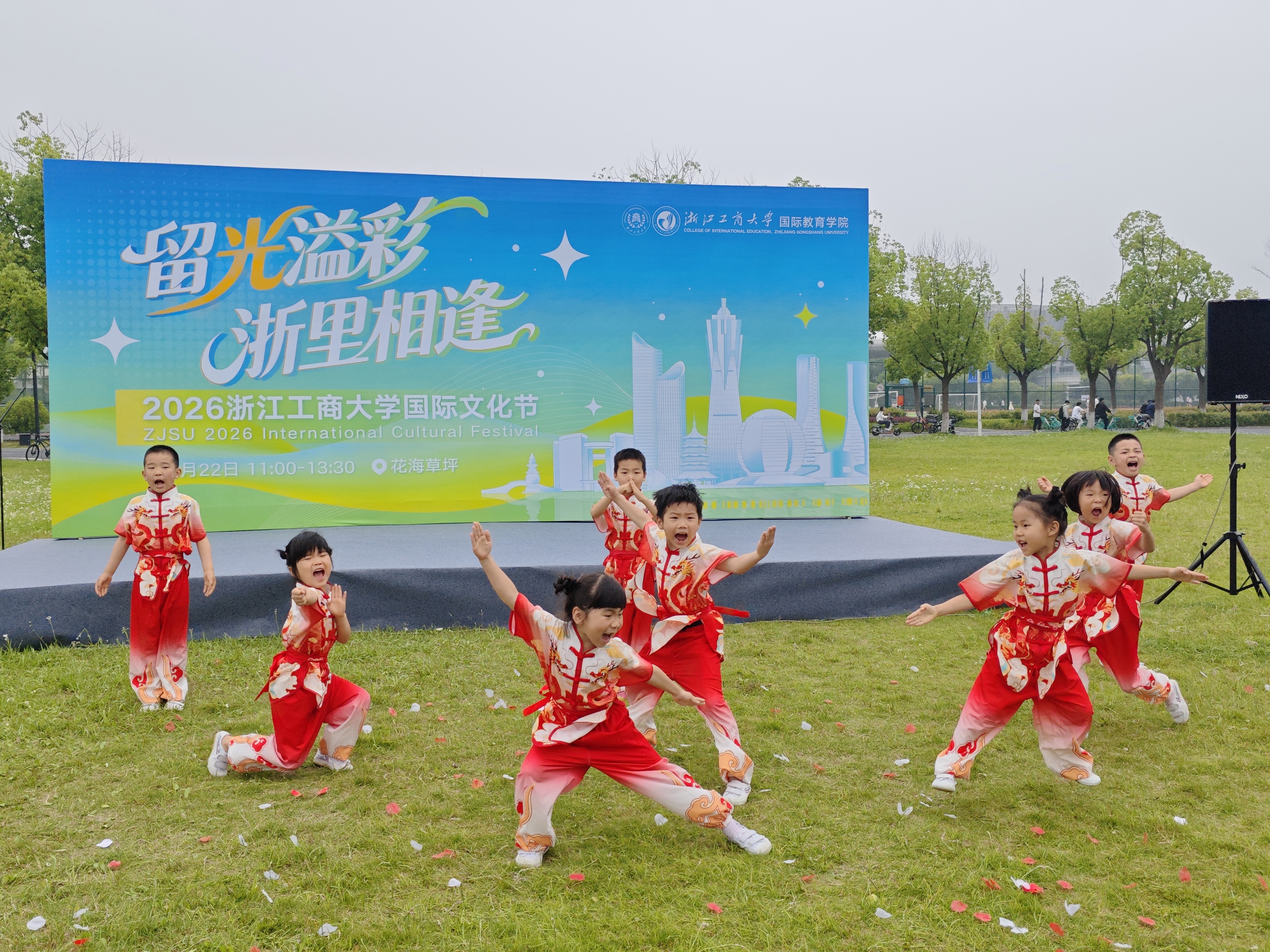
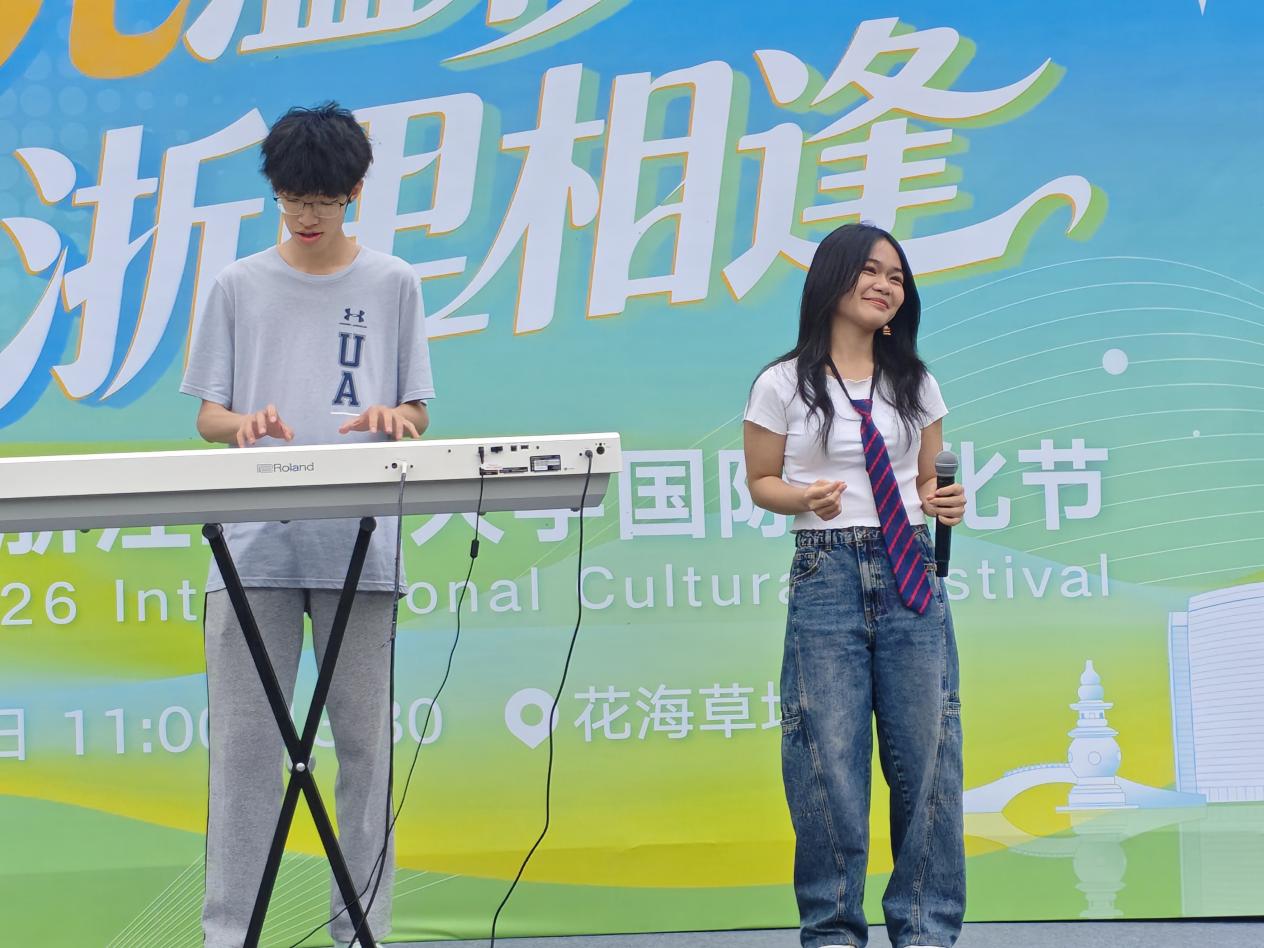
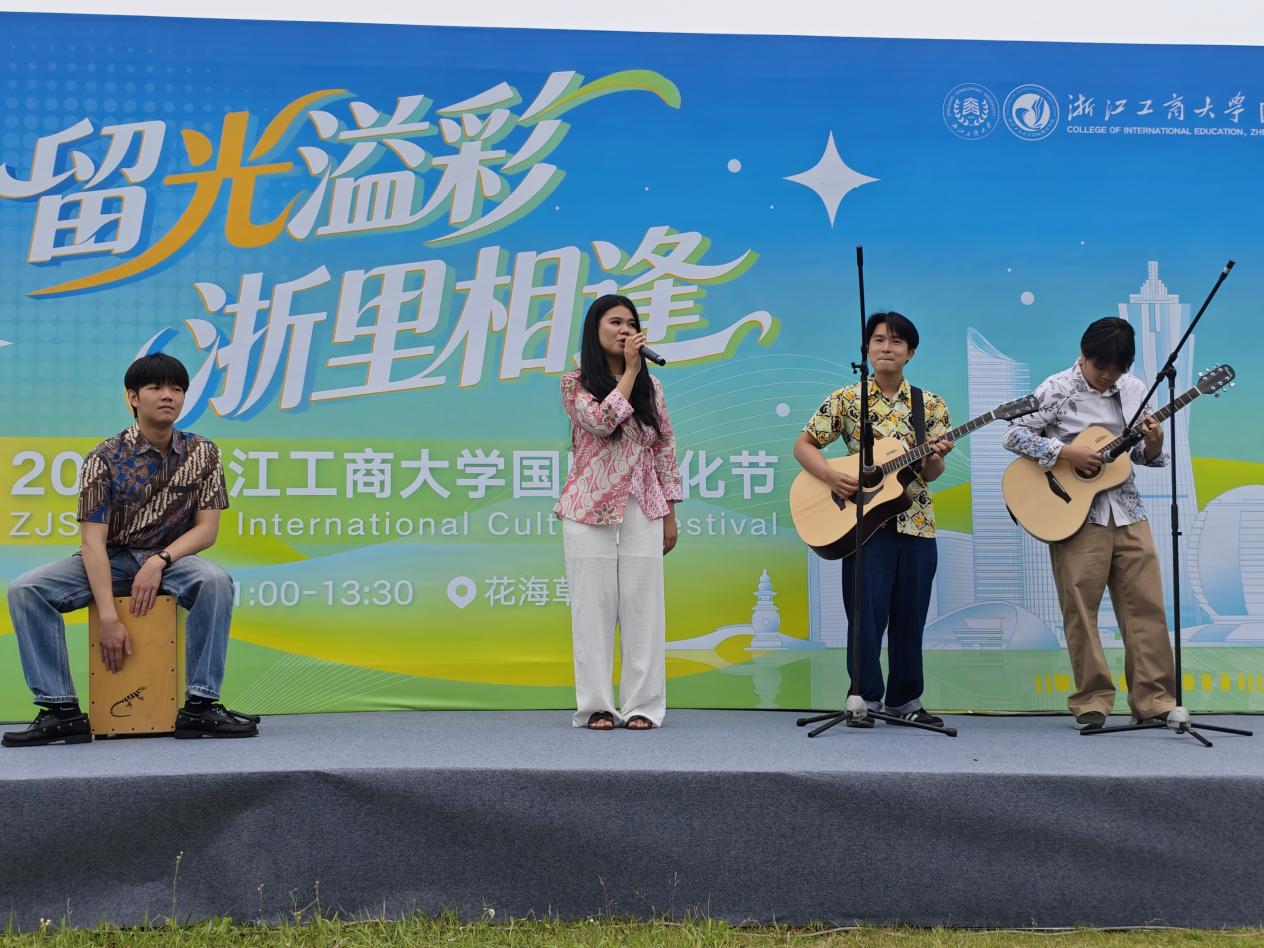
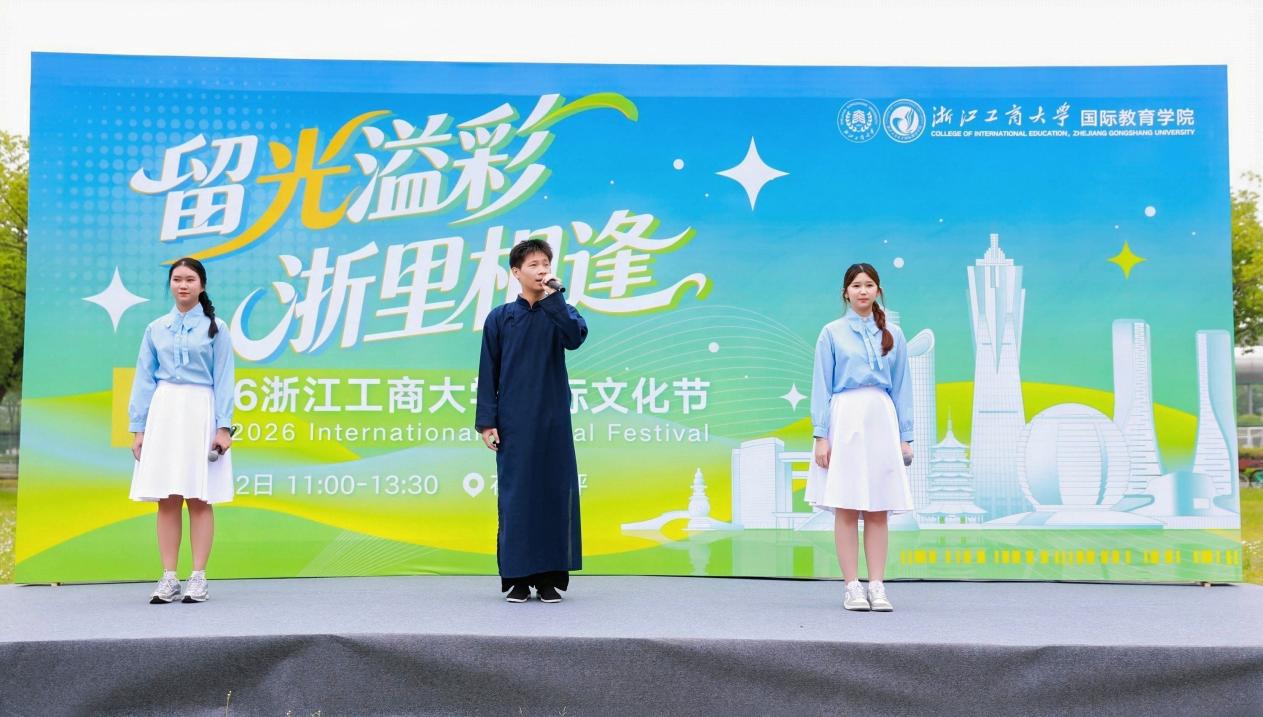
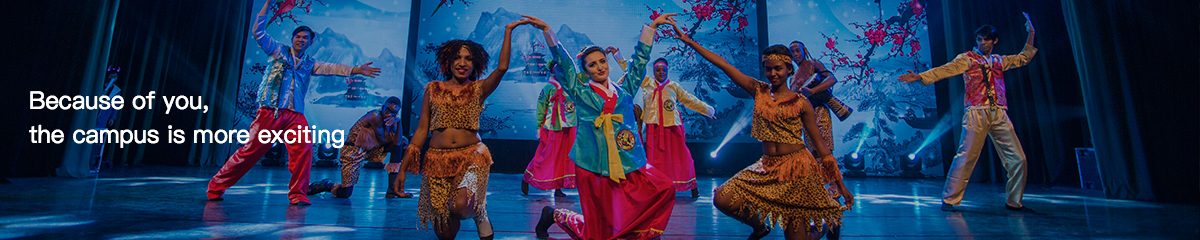
The stage program was equally exhilarating, as Chinese and international performers used song, dance, instrumental music, and recitation to showcase an art without borders. A traditional Thai dance brought graceful, fluid movement; a Kazakh dombra rendition of “Erke Sylqym” was hauntingly lyrical; Turkmenistan’s “Kushtdepdi” traditional dance burst with fiery energy; and the Lao folk song “Laos Simply Beautiful” offered a gentle, healing moment—each act revealing the cultural character of its country. The kindergarteners from Yunshuiyuan Kindergarten delivered a martial arts routine titled “Kung Fu Tide Kids” that crackled with youthful vitality, every pose brimming with spirit. Chinese and international students joined forces for the pop song “What Time Is It Over There,” while Indonesian students performed the upbeat “Risk It All,” channeling youthful passion and international friendship through music. Poetic recitations of “Fleeting” and “My South and North” used words and music to strike a chord of shared youth, drawing wave after wave of applause. Throughout the afternoon, songs in many languages, dances of every style, and cheers from the audience blended into a harmonious celebration of multiculturalism.
Student Reflections: Planting Seeds of Friendship Through Exchange
Zhang Wenjie, a Chinese student:
Civilizations grow richer through exchange and more colorful through mutual learning. I was fortunate to host this year’s International Culture Festival, and being on site let me feel firsthand the warmth and energy of our international friends. The 22 country booths each had their own character—Pakistani biryani, Uzbek milk halva, and Sri Lankan Ceylon tea, to name just a few. What stood out most was the traditional African dance performed by friends from Côte d’Ivoire. Beneath the rhythm of unmistakably ethnic drums, I felt as though I had been transported to the African savanna, dancing alongside tribes and antelopes. That is exactly what this festival is: music and song connect people from all over the world, regardless of borders, skin color, or language. It is truly a remarkable feeling.
Lihua, a student from Turkmenistan:
This was my first time taking part in the International Culture Festival, and it left me with so much to cherish. I not only experienced the charm of traditional cultures from many countries but also tried my hand at Chinese woodblock print rubbing. Most of all, standing on stage with my fellow compatriots to perform our country’s traditional dance was liberating, body and soul. To connect and interact in such an open, welcoming atmosphere made me feel genuinely happy and warmed. I sincerely thank the teachers for planning such a rich program for us, and the volunteer students for all their help—you worked so hard!
Xu Lishu, a student from Russia:
The International Culture Festival is a signature event for all of us international students. On this day, we have the chance to showcase our home cultures and talk in depth with fellow international students, Chinese classmates, teachers, and visitors to the fair. This is my third year taking part directly, but this year was especially meaningful—I served as a host for the first time. It was a new challenge for me, and hosting in Chinese was far harder than I had imagined, but with the support of teachers and classmates I carried it off. I watched everyone move eagerly from booth to booth, collecting stamps, tasting authentic food, trying traditional games, dancing to the music, calling out words in every language… smiles lit up every face, and the performers on stage were brimming with energy. In that moment, people from different countries and cultures felt connected in spirit, as if we had become one. It was truly an unforgettable time.
This year’s International Culture Festival did more than provide a platform for cultural exchange between Chinese and international faculty and students—it showcased the open and inclusive campus culture at Zhejiang Gongshang University. Going forward, the university will continue to use cultural events as a vehicle to deepen understanding and friendship between Chinese and international youth, letting the seeds of mutual learning take root on campus and writing new chapters in the warm story of “meeting here in Zhejiang.”