
On July 10, the Hangzhou International Communication Center (Hangzhoufeel) held an open day event under the theme "Gen Z Empowerment, Global Voice." The event aimed to deepen international students' understanding of Chinese culture and contemporary China while strengthening their international communication skills. About 100 people attended, including leaders from the Hangzhou Municipal Publicity Department, representatives of international education schools from eleven universities, and international student representatives. Pei Bei, Dean of ZJSU's School of International Education, was invited as a guest speaker and delivered a keynote address, joining representatives from various sectors to explore innovative approaches to the international communication of Hangzhou's city brand.
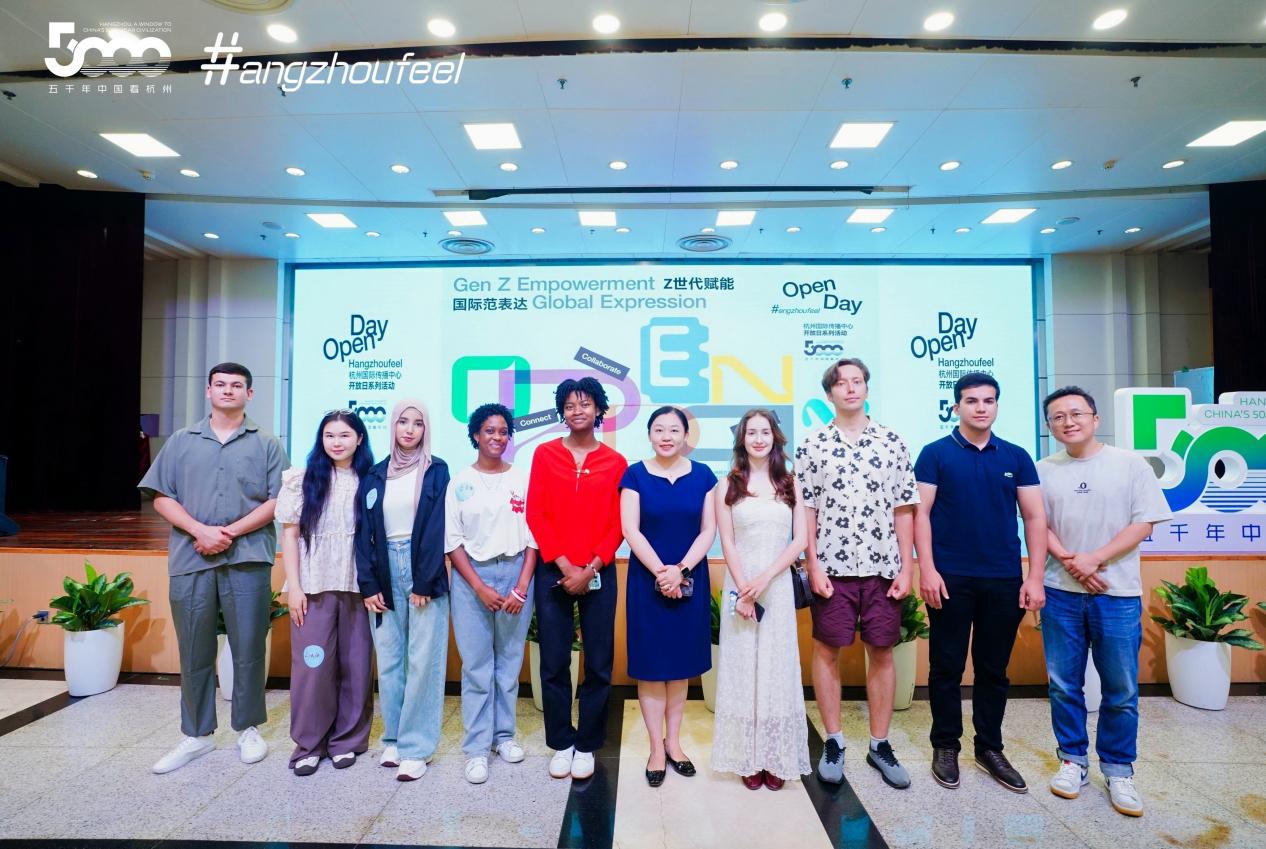
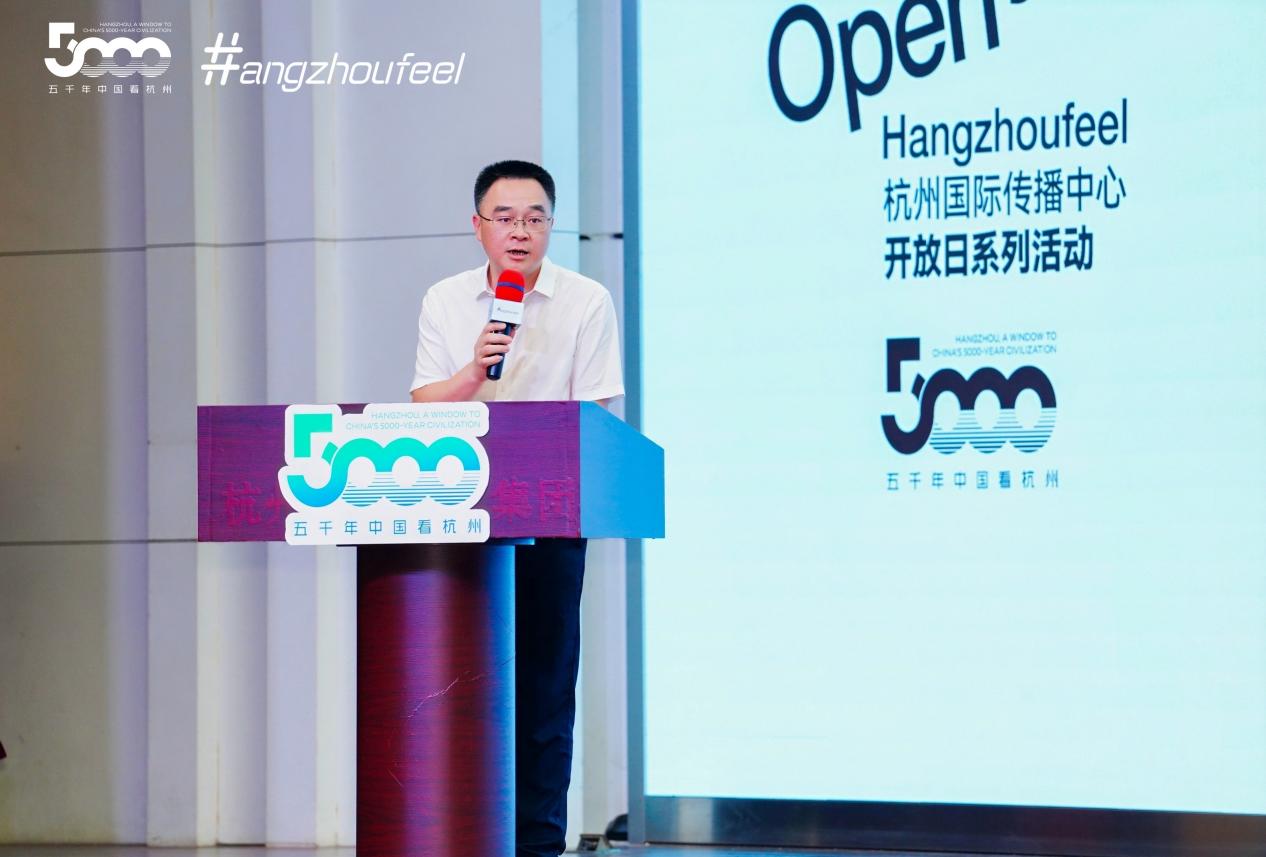
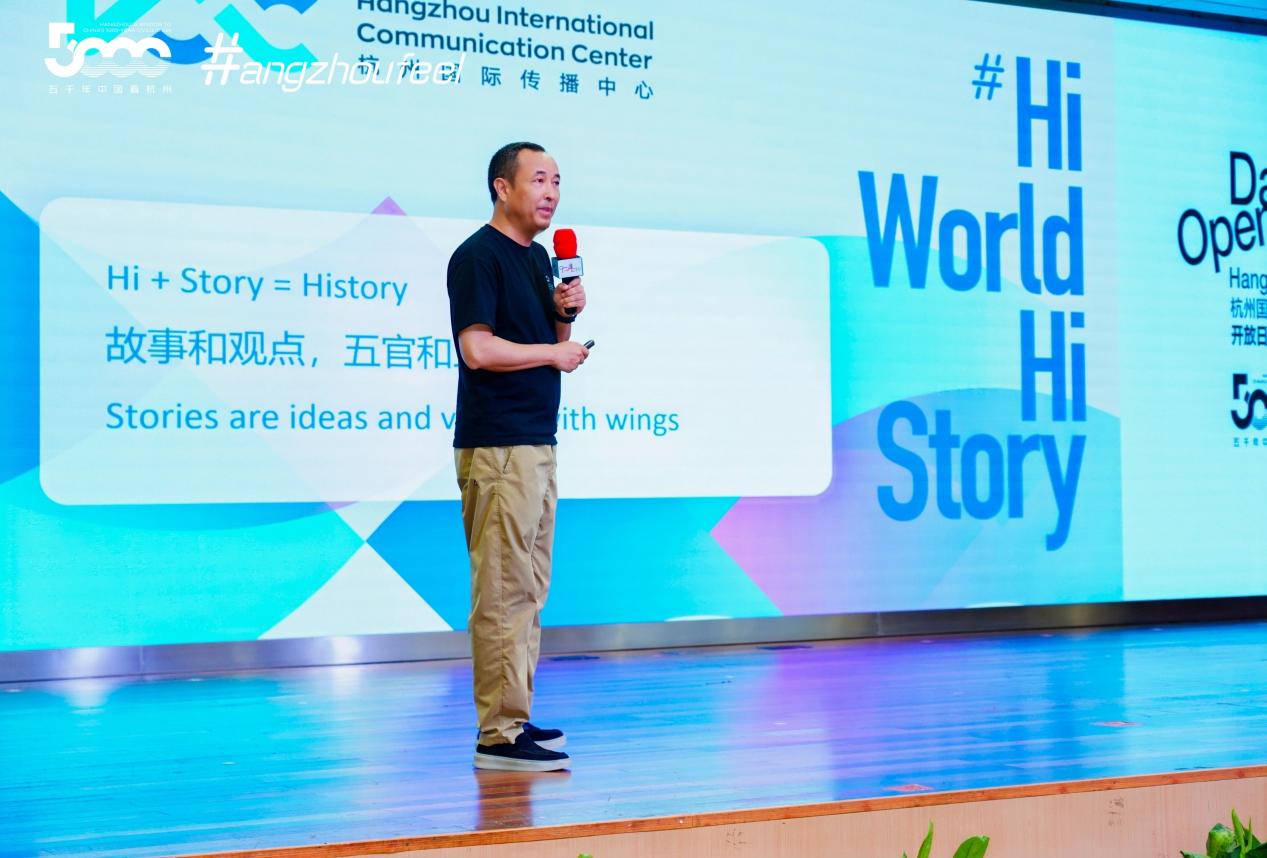
Held at the Hangzhou International Communication Center, the event featured opening remarks, keynote presentations on overseas communication, a panel on international communication by universities, and lightning talks by international youth. Leaders from the Hangzhou Daily Press Group and the head of the International Communication Center delivered opening remarks, emphasizing how Hangzhou — an international metropolis where historical culture meets modern innovation — can convey a true and multi-dimensional image to the world through the power of Gen Z youth.
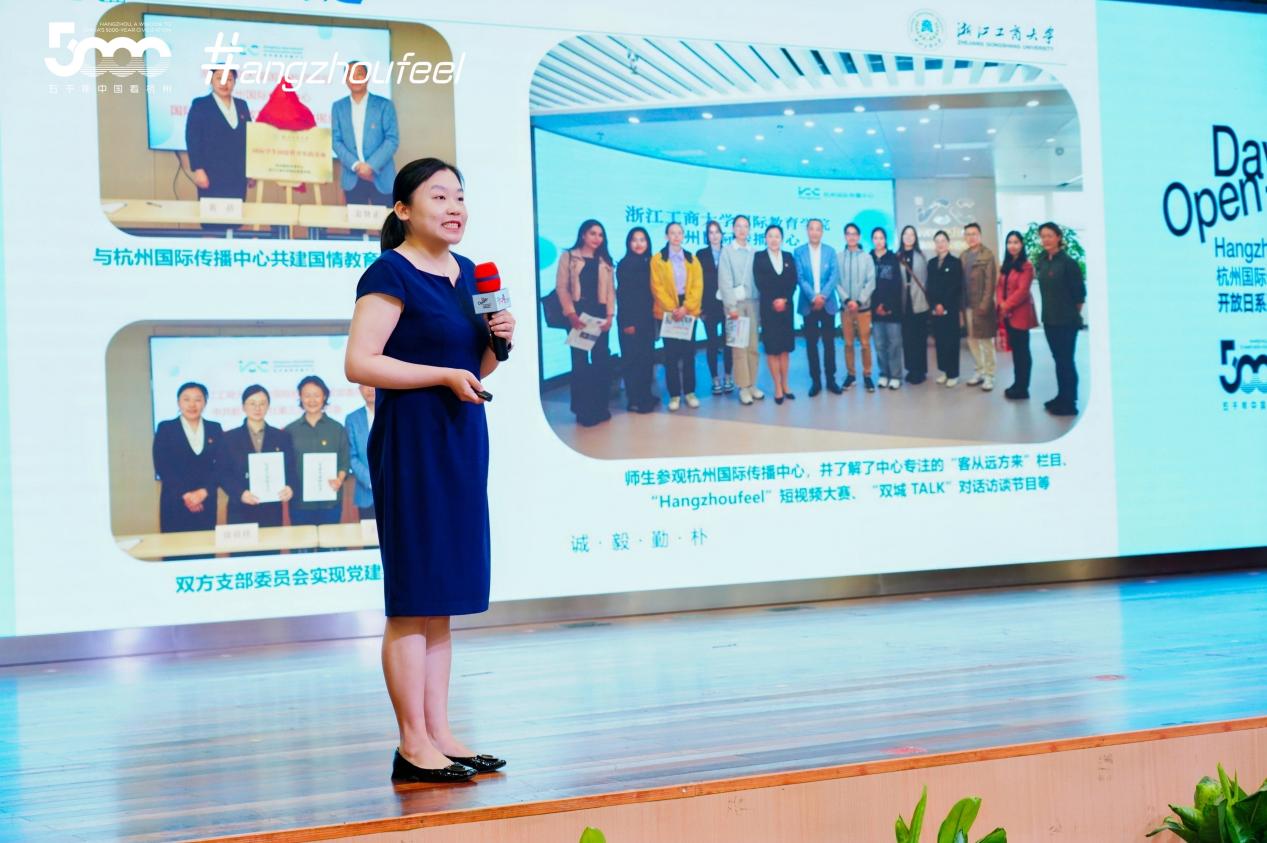
In the university international communication session, Dean Pei Bei delivered a presentation titled "Practicing 'Three-Dimensional Empowerment' in Building International Communication Capacity at Local Universities." Dean Pei pointed out that local universities play an indispensable role in international communication, yet they must move beyond traditional external propaganda models, because global outreach requires not only national-level efforts but also grassroots voices. She urged universities to deepen their understanding, raise their strategic vision, and incorporate the enhancement of international communication capacity into top-level design. Each institution should leverage its own strengths and, with the platform support of the Hangzhou International Communication Center, build its own IP brand. By pooling the international communication leadership of individual universities, she proposed, a "University Communication Alliance" — a Hangzhou model — could take shape. She called on universities to activate international students' communication potential by launching cross-border platforms, training "foreign anchors," and engaging short-term groups and international alumni networks. By organizing international students to explore China's achievements in various fields in depth, universities can enhance their "China literacy," she said, helping them evolve from "recipients of culture" into "communicators" and "practitioners." At the same time, she stressed the importance of focusing on "tangible culture" and "perceivable China," organizing open dialogues between Chinese and international participants around everyday themes such as food culture, scientific and technological innovation, environmental governance, wildlife protection, and sports exchange. Using "small stories" to frame "big culture," she encouraged international students to become "messengers of international communication," sharing authentic and vivid firsthand accounts of China on overseas social media to help bridge perceptual gaps between China and the world.
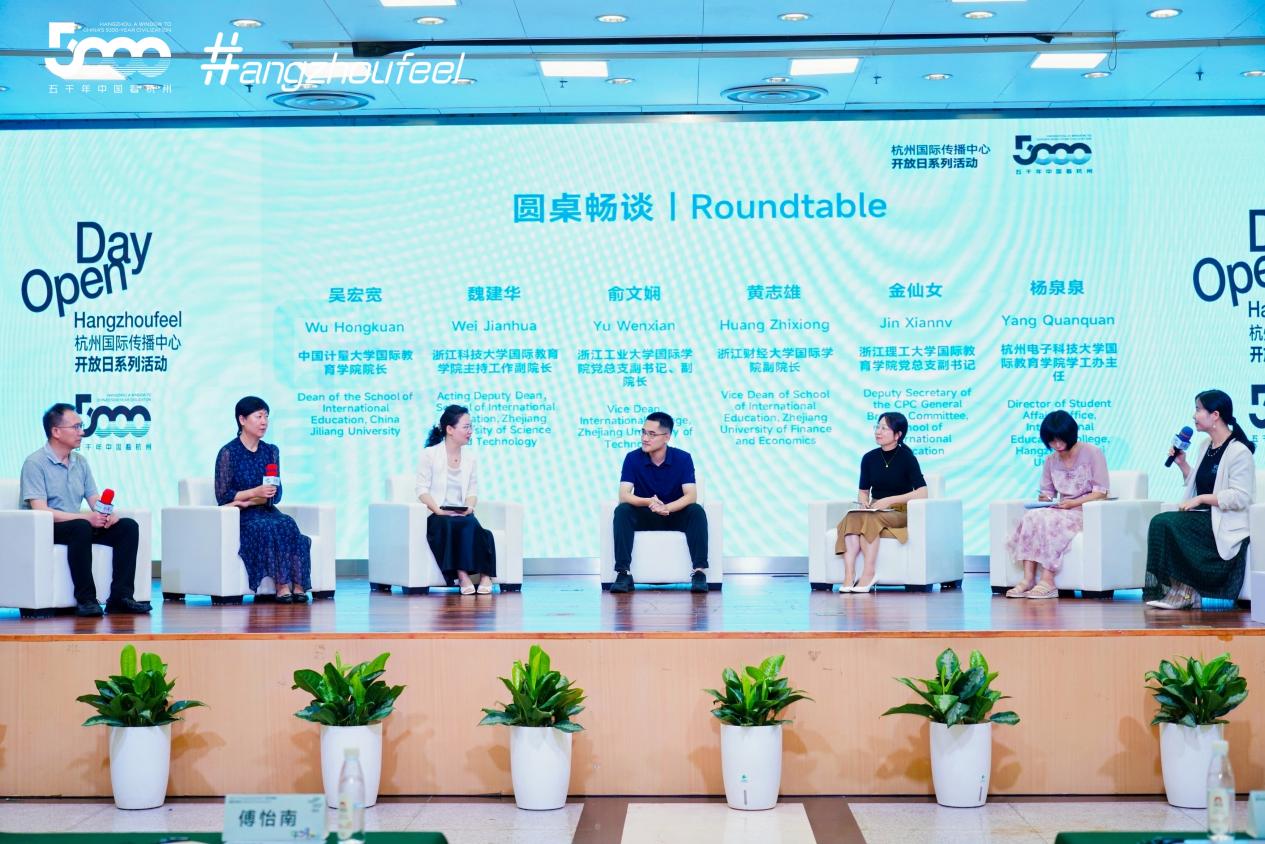
The roundtable discussion centered on how universities can leverage their strengths to support Hangzhou's international communication. Representatives from the School of International Education at China Jiliang University, Zhejiang University of Science and Technology, Zhejiang University of Technology, Zhejiang University of Finance and Economics, Zhejiang Sci-Tech University, and Hangzhou Dianzi University took part actively, offering diverse perspectives on global outreach.
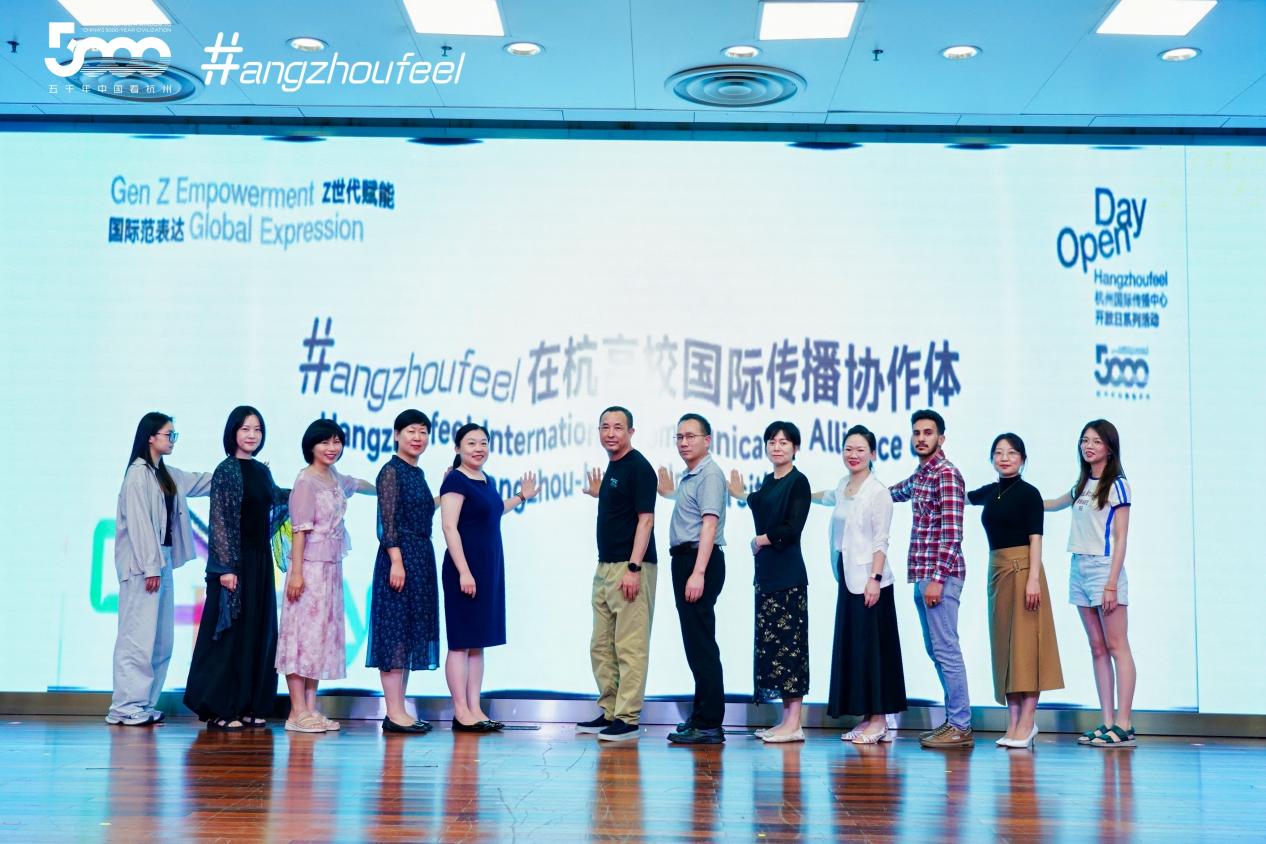
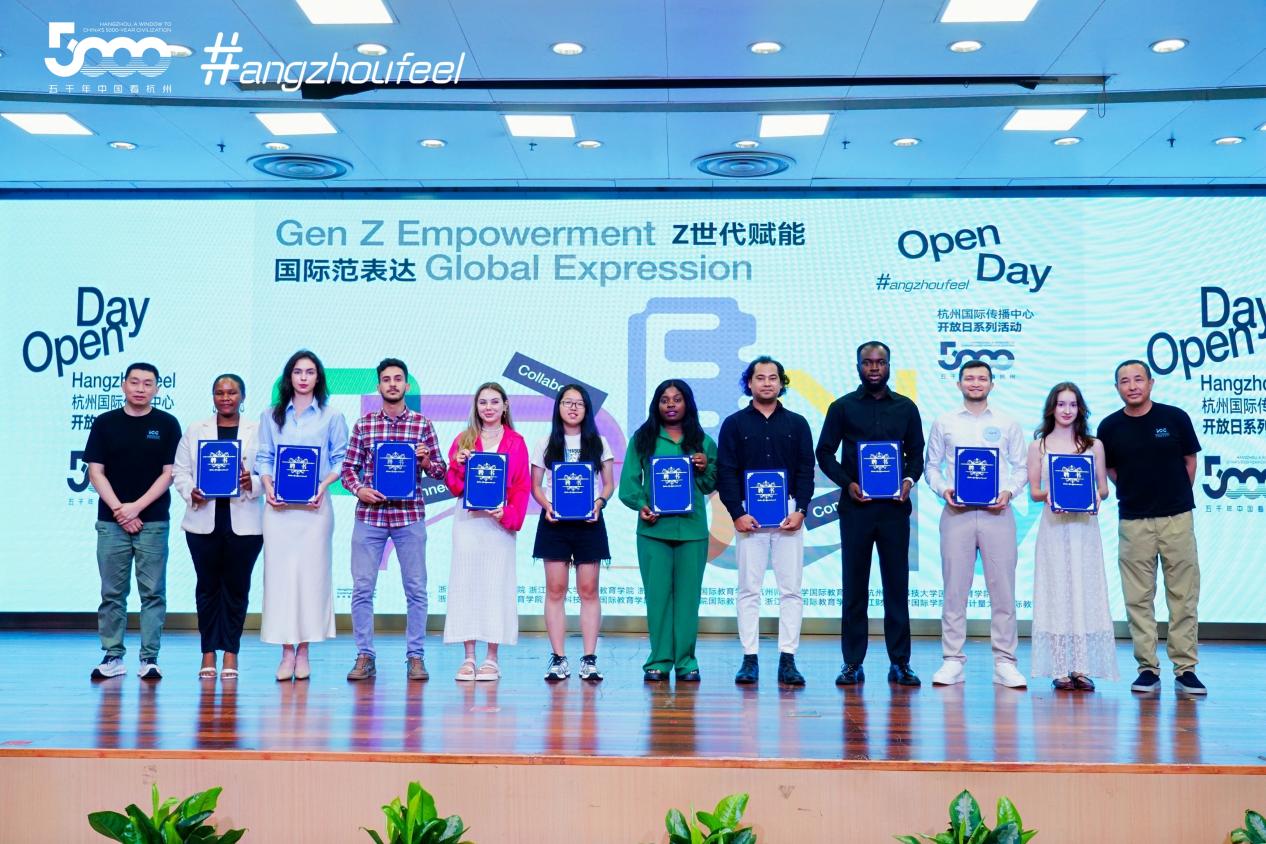
This was followed by "Gen Z International Youth Lightning Talks," in which international student representatives from the universities delivered inspiring presentations. Drawing on their own experiences studying and living in Hangzhou, they told the city's stories through a unique cultural lens, demonstrating the bridging role of Gen Z youth in cross-cultural communication. At the conclusion of the event, the Hangzhou International Communication Center awarded broadcasting ambassador certificates to outstanding international youth representatives and held the launching ceremony for the Hangzhoufeel Collaborative Network of International Communication Universities in Hangzhou, marking a new stage in cooperation between universities and the communication center.
The open day not only provided a platform for Hangzhou's universities to learn and exchange ideas, but also injected fresh vitality into the city's international communication efforts. Through cross-boundary dialogue and sharing, Gen Z international youth are emerging as important storytellers of Hangzhou, helping the city engage with the world in a more open and confident manner.