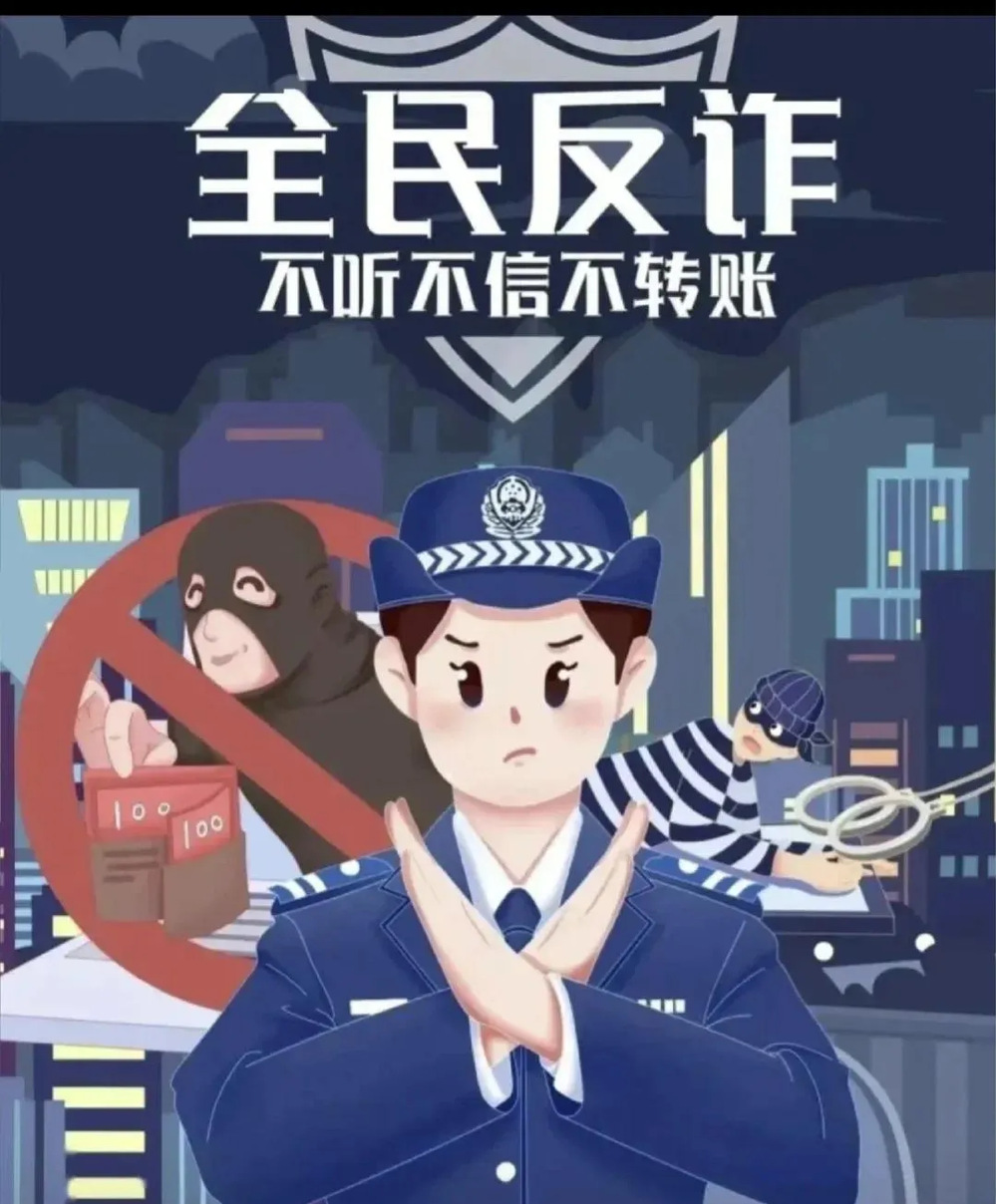
Recently,telecom and online fraud frequently occurs on campus. We have sortedout typical fraud cases targeting international students for yourreference.
I.Common Fraud Types
1.Impersonation of police, immigration, or embassy staff.
Scammersclaim you are involved in money laundering or visa violations,threaten deportation or detention, and force you to transfer money tofake “security accounts.” Chinese law enforcement authoritieswill never ask you to transfer money by phone. Hang up the call rightaway.
2.Illegal private currency exchange.
Fraudstersattract you with high exchange rates and zero service fees, thenblock you after receiving money. Private currency exchange violatesforeign exchange regulations, and your bank card may be frozen if youreceive illegal funds. Only exchange currencies at offline officialbank branches.
3.Fake click farming and part-time jobs.
Scammersoffer high pay for likes, fake orders, video editing, or thesiswriting. They give small rebates at first to win trust, then ask youto pay more deposits repeatedly. Click farming is illegal in China.Any part-time job requiring advance deposits is a scam.
4.Fraud on online shopping, tickets, and game trading.
Scammerspretend to be customer service for compensation, send fake flightcancellation messages, or sell cheap game accounts. They send unknownlinks and ask for verification codes to steal your money. Officialcustomer service will never send private links or request privatetransfers.
5.Romance scams (Pig Butchering).
Scammerscreate fake identities on social apps and build long-term romanticrelationships. After gaining your trust, they ask you for money formedical treatment, investment, or emergencies.
6.Impersonation of teachers or financial staff.
Criminalspretend to be teachers on WeChat to urge payment, or fake financialagents claiming you must cancel student loans to maintain good creditrecords, tricking you into borrowing and transferring money. Alwaysverify the information in person with teachers from the College ofInternational Education.
II.Four Golden Anti-Fraud Rules
1.Always verify:
Consultteachers from the college before handling anything related to moneyor personal privacy.
2.Never disclose private information:
Donot share bank passwords, SMS verification codes, or passport numberswith anyone.
3.No private transfers:
Refuseto transfer money to unknown accounts or through unofficial channels.
4.Consult others in time:
Scammersalways demand secrecy. Inform your teachers or campus security onceyou spot suspicious situations.
III.Emergency Measures After Being Scammed
1.Keep all chat records, payment slips, and screenshots of unknownlinks as evidence.
2.Contact your bank immediately to freeze your account and stoptransactions. The first 30 minutes after transfer is the criticalperiod to recover funds.
3.Call campus security (28877110) and report the incident to theCollege of International Education.
4.Download the official app “National Anti-Fraud Center” to receivereal-time fraud alerts and report fraud clues with one click.
EmergencyContacts
CampusSecurity Hotline:
0571-28877110;
Collegeof International Education:
0571-28008688/ 28008675
Fraudis never something far away from us. It hides in every part-timegroup chat, every online shopping order, and every game trade. Do notcovet petty gains, and do not take chances! Protect your livingexpenses and hard-earned money. Raise your anti-fraud awareness,starting with myself and every college student. Wish all students asafe and smooth campus life!